
Tsushima is a big island, and almost everything on it is worth doing. The foxes, the shrines, the hot springs and the bamboo stands are not filler. They are how Jin Sakai actually gets stronger, and the game hides some of its best armor and techniques behind wandering musicians and unmarked altars. This guide covers the whole island in one place: every Mythic Tale, every collectible set with its count, every armor set, the charms that matter, all 25 duels, and a full 100 percent checklist at the end so you can tick things off as you go.
Version scope: the counts below are for the base game on Tsushima island unless a line says otherwise. Where the Director’s Cut adds more on Iki Island, that is called out in the same section, including the two extra Mythic Tales and the Sarugami Armor. Nothing in this game is missable. You can finish the story first and clean up the island afterwards, and liberating every Mongol territory reveals the remaining collectibles on your map as question marks, which makes the final sweep much faster.
The Best Early Game Route
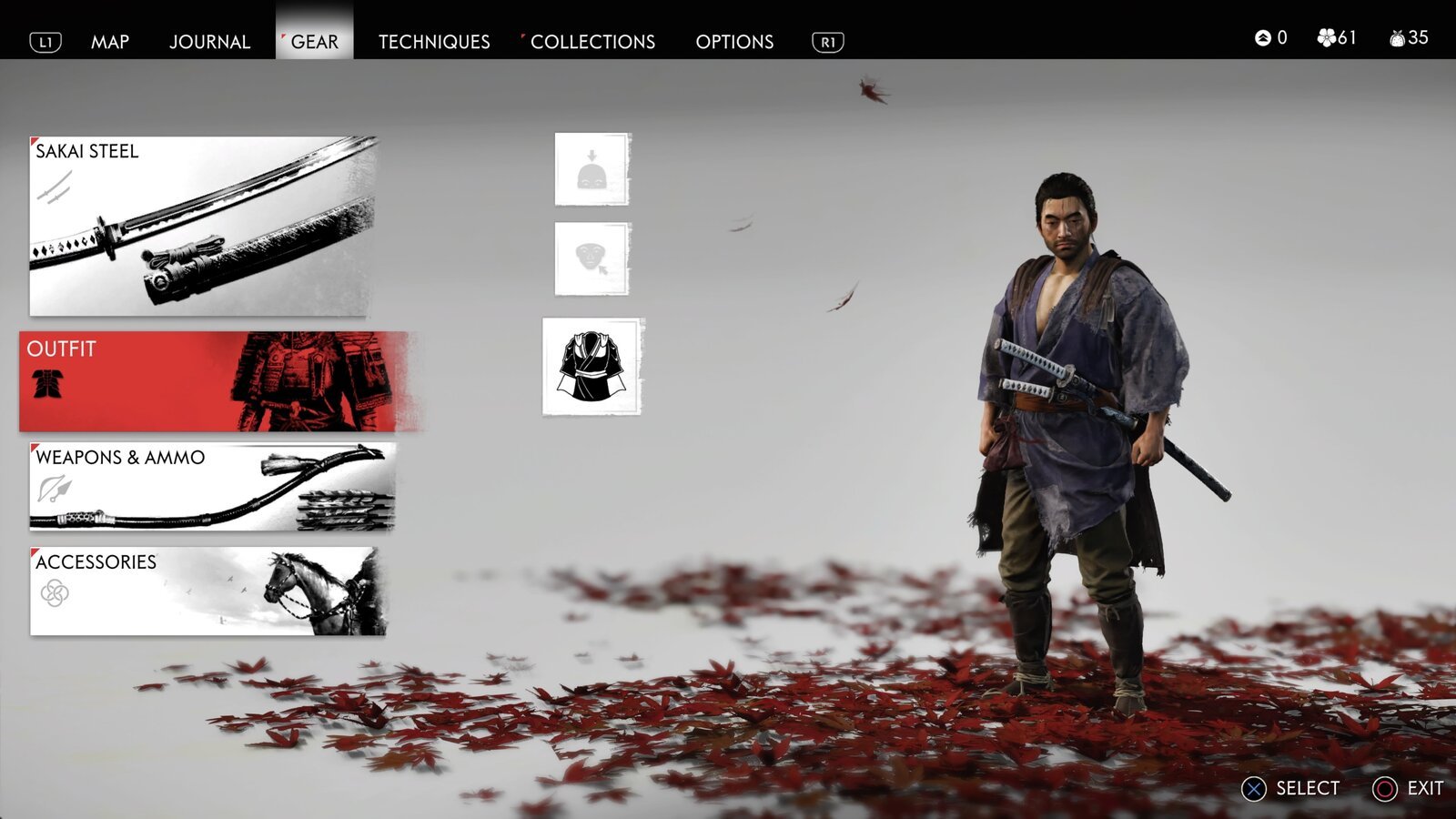
Your first hours set up the whole run. Do these steps in order and the rest of the island opens up smoothly.
- Finish the prologue and ride to the first survivor camp or village you find. Talk to a Merchant and accept the Traveler’s Attire. It costs nothing, its Guiding Wind tracks artifacts, the controller vibrates when you ride within range of a collectible, and it clears more fog from the map as you explore.
- Spend your early Technique Points on the exploration winds in the Samurai tree: Wind of Health, Wind of Charms, Wind of Resolve, Wind of Inari and Wind of Vanity. From then on, swiping up on the touchpad points the wind at hot springs, shrines, bamboo strikes, fox dens or vanity gear whenever you want one.
- At the Golden Temple, start Lady Masako’s first tale. The armorer there gives you the Samurai Clan Armor, your first real combat set.
- Knock out the three Act 1 Mythic Tales before you push the story north. The Legend of Tadayori gives you an archery armor set, The Curse of Uchitsune gives you the Longbow with explosive arrows, and The Heavenly Strike gives you a fast unblockable technique that carries the whole game.
- On every ride, follow golden birds and stop for every fox, hot spring and bamboo strike the wind shows you. Health and Resolve upgrades are worth far more early than any side tale reward.
- Liberate the farmsteads you pass in Izuhara. Three of the six keys for The Unbreakable Gosaku are here, and the armor you get from that tale in Act 2 is one of the best sets in the game.
- Leave the full shrine climbs for Act 2. Several Shinto Shrines need the Iron Hook grappling hook from the story, so there is no point banging your head on a broken bridge in Act 1.
Mythic Tales: All 7, Plus the 2 Iki Island Tales

Mythic Tales are the long blue diamond quests told by the musician Yamato and other storytellers. Each one ends in a duel or a trial and pays out a signature technique or a full armor set. There are seven on Tsushima and two more on Iki Island in the Director’s Cut.
Act 1
The Heavenly Strike. Yamato waits at a survivor camp by the crossroads south of River Falls Bridge in Komatsu. Talk to the woman hiding under the bridge, then find the tree with white leaves near Plum Blossom Shrine and follow the trail to Shigenori’s Rest. Win the duel against Yasuhira Koga and the Heavenly Strike technique is yours: a lightning fast unblockable slash that costs one Resolve and deletes spearmen.
The Curse of Uchitsune. The musician performs in Hiyoshi Springs. Follow the blue flowers to Uchitsune’s Tomb, study the painting, then ride to the island southeast of Castle Kaneda and follow the flowers again. The Tengu Demon duel waits at the end. Your reward is the Longbow and explosive arrows, the best ranged tools in the game.
The Legend of Tadayori. Yamato tells this one at a camp at Rustling Bend in Azamo. Search the Crown of Violets for the map, climb to Tadayori’s Rest, and beat the duelist Kaede. Then race back and defend Yamato from Mongols near Azamo Bay. The prize is Tadayori’s Armor, the archery set.
Act 2
The Unbreakable Gosaku. Hear the tale in Akashima Village. Gosaku’s armor is locked behind six keys, and each key is held at a farmstead occupied by Mongols: three in Izuhara and three in Toyotama. Liberate all six farmsteads, then take the keys to the vault door on the hill east of the Togo Rice Fields and fight through the last guards. Gosaku’s Armor gives a massive health boost and restores health when you kill staggered enemies.
The Spirit of Yarikawa’s Vengeance. A musician waits by the river west of Rebel’s Last Stand, near the Ruins of Old Yarikawa. Follow the white smoke from shrine to shrine, leaving offerings as you go, until the spirit confronts you. Survive the duel and you learn the Dance of Wrath, a three strike technique that costs three Resolve and melts single targets.
The Six Blades of Kojiro. Yamato is in Umugi Cove for this one. Kojiro’s five Straw Hat duelists are spread across Toyotama: Yasumasa, Hirotsune, Tomotsugu, Kiyochika and Kanetomo. Beat all five, then meet Kojiro himself at the monastery northwest of Lucky Genzo’s Inn near Omi. The reward is the Kensei Armor, built around Resolve gains and Ghost weapon damage.
Act 3
The Undying Flame. This tale is a climb, not a hunt. Ride to Mount Jogaku in Kamiagata and scale it while a blizzard tries to freeze you. Light every campfire on the way up, because the fires are checkpoints and standing in the cold drains your health fast. At the summit temple, duel Bettomaru and claim the Way of the Flame technique plus Incendiary Oil for your katana.

Iki Island (Director’s Cut)
The Legend of Black Hand Riku. Available at Fune’s Refuge after the tale A Raider’s Return. Track the glowing water on the northeast coast of Iki, climb around Mount Takenotsuji, and enter the dark cave, where you light your way with flaming arrows before the duel. The reward is the Sarugami Armor: your regular parry is disabled, but every Perfect Parry becomes a brutal three hit counter chain.
The Legacy of Kazumasa Sakai. Hear the story at the Sheltered Campsite near the shipwreck at Zasho Bay on the east coast of Iki. Follow your father’s trail across the island and the reward is the Sakai Horse Armor, which makes your Horse Charge far more damaging and much harder to interrupt.
Inari Shrines and Fox Dens: All 49

There are 49 Fox Dens on Tsushima: 22 in Izuhara, 17 in Toyotama and 10 in Kamiagata. The method never changes. Find the fox waiting by its den, follow it as it leads you through the woods, and pray at the small Inari Shrine it shows you. Pet the fox afterwards. You know you want to.
These shrines are worth chasing early, because they grow your build directly. Praying at Inari Shrines unlocks your extra charm slots and steadily powers up two major charms, the Charm of Inari’s Might and the Charm of Silence. Finish the very last shrine and you also receive the Wolf of Tsushima mask. Unlock the Wind of Inari technique and the Guiding Wind will lead you from den to den, and golden birds often point at dens you have not found yet.
Bamboo Strikes: All 16

Bamboo Strikes are the button sequence challenges at the bamboo stands. Each one you complete fills your progress toward the next Resolve increase, and finishing all 16 maxes out your Resolve meter, which means more healing and more techniques in every fight. The split is 7 in Izuhara, 6 in Toyotama and 3 in Kamiagata. The Director’s Cut adds 4 more on Iki Island.
In Izuhara, look in Hiyoshi Springs village center, at Komatsu Forge, southwest of Houren’s Pasture for the Ariake stand, on the river bank at Rustling Bend, on the east side of Azamo Bay (this one opens after the tale Unfinished Business), at Wanderer’s Pass near the White Dye Merchant, and at the south end of Komoda Town. In Toyotama, check east of Akashima Lighthouse, beside Sakai Manor in Omi Village, north of Lord Shimura’s hunting camp in Kubara, northeast of Benkei’s Falls, behind the keep in Yarikawa Stronghold, and west of Umugi Cove near the beach. In Kamiagata, the last three sit on the east side of Kin near the lighthouse, on the small island in the lake north of Kin Sanctuary, and on the mountaintop south of the Derelict Mine in Sago.
Shinto Shrines: All 16 and the Charm Each One Gives

Shinto Shrines are the climbing puzzles. Find the torii gates, follow them, and work your way up broken bridges, cliff paths and grapple points to the shrine at the top. There are 16 in the base game: 7 in Izuhara, 6 in Toyotama and 3 in Kamiagata, plus 1 more on Iki Island in the Director’s Cut, the Nakajima Shrine. Some climbs need the Iron Hook from the Act 2 story, so sweep them after that. Each shrine pays out one Major Charm, and the full pairing is:
- Arrow Peak Shrine (Izuhara): Charm of Inari
- Golden Summit Shrine (Izuhara): Charm of Amaterasu
- Winding Mountain Shrine (Izuhara): Charm of Izanagi
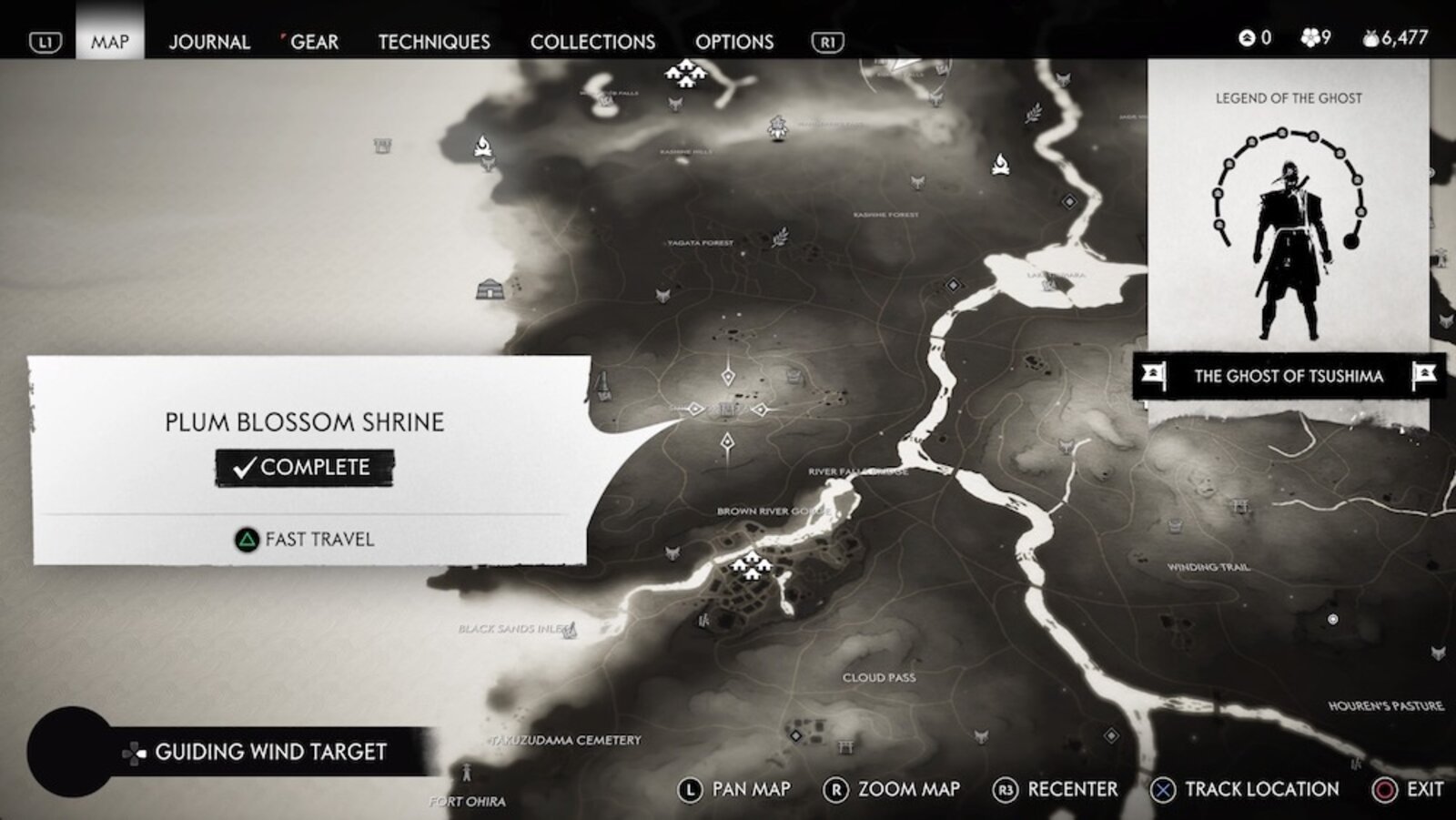
- Plum Blossom Shrine (Izuhara): Charm of Kagu-Tsuchi
- Spring Falls Shrine (Izuhara): Charm of Mizu-no-Kami
- Stone Dragon Shrine (Izuhara): Charm of Susanoo
- Mending Rock Shrine (Izuhara): Charm of Okuninushi
- Marsh Rock Shrine (Toyotama): Charm of Izanami
- Scarlet Rock Shrine (Toyotama): Charm of Tsukuyomi
- Lush Peak Shrine (Toyotama): Charm of Shinatsuhiko
- Cloud Ridge Shrine (Toyotama): Charm of Azumi-no-Isora
- Turtle Rock Shrine (Toyotama): Charm of Hoori-no-Mikoto
- Hazy Cliff Shrine (Kamiagata): Charm of Ryuujin
- Frost Cliff Shrine (Kamiagata): Charm of Nigihayahi-no-Mikoto
- Crane Mountain Shrine (Kamiagata): Charm of Ikazuchi-no-Kami
- Snowlit Peak Shrine (Kamiagata): Charm of Takemikazuchi
Haiku Spots: All 19

Your Collections screen counts 19 Haiku. Sixteen of them are open world Haiku spots, the quiet mats at scenic overlooks where you pick three lines and compose a poem: 8 in Izuhara, 5 in Toyotama and 3 in Kamiagata. The other three are written during story tales and cannot be missed. The Director’s Cut adds 3 more spots on Iki Island.
Each open world haiku rewards a cosmetic headband, so this set is about style, not stats. Look for the mats near water and high views: two around Hiyoshi Springs, one overlooking Azamo Bay, and more scattered along the coasts and cliffs of each region. Golden birds love leading you to them, and the mats are small and easy to ride past, so slow down whenever a view opens up.
Pillars of Honor: All 26 Sword Kits

Pillars of Honor are the tall stone pillars wrapped in banners, usually standing at viewpoints and along the coast. Walk up, bow, and take the sword kit resting there. Sword kits are pure cosmetics for your katana and tanto, but some of them look incredible.
One count needs care, because guides often merge two numbers. There are 23 Pillars of Honor in the base game: 7 in Izuhara, 9 in Toyotama and 7 in Kamiagata. The Director’s Cut adds 3 more on Iki Island, which brings the full total to 26. If a guide tells you there are 26 on Tsushima itself, it is counting the Iki pillars early. The pillars are unmarked on the map until you get close, so the Wind of Vanity and a habit of riding the coastline will do most of the work.
Hot Springs: All 18

Every Hot Spring you soak in permanently raises your maximum health, so these are mandatory stops, not sightseeing. There are 18 on Tsushima: 9 in Izuhara, 6 in Toyotama and 3 in Kamiagata, plus 2 more on Iki Island in the Director’s Cut. The reflection choices you pick while soaking change nothing mechanically, so pick whatever feels right for your Jin.
Start with the Hiyoshi Inn Hot Spring in Hiyoshi Springs and the Castle Lookout Hot Spring on the cliff above it, then grab the White Mist Hot Spring and the Morning Glory Hot Spring as you cross Izuhara. The Wind of Health technique points straight at the nearest spring you have not used, which makes this the easiest set to finish. Soak in all 18 base game springs and you also unlock the Fundoshi, the loincloth outfit that makes your running completely silent. Yes, really. Yes, it is a real stealth tool.
Mongol Artifacts, Records and Sashimono Banners
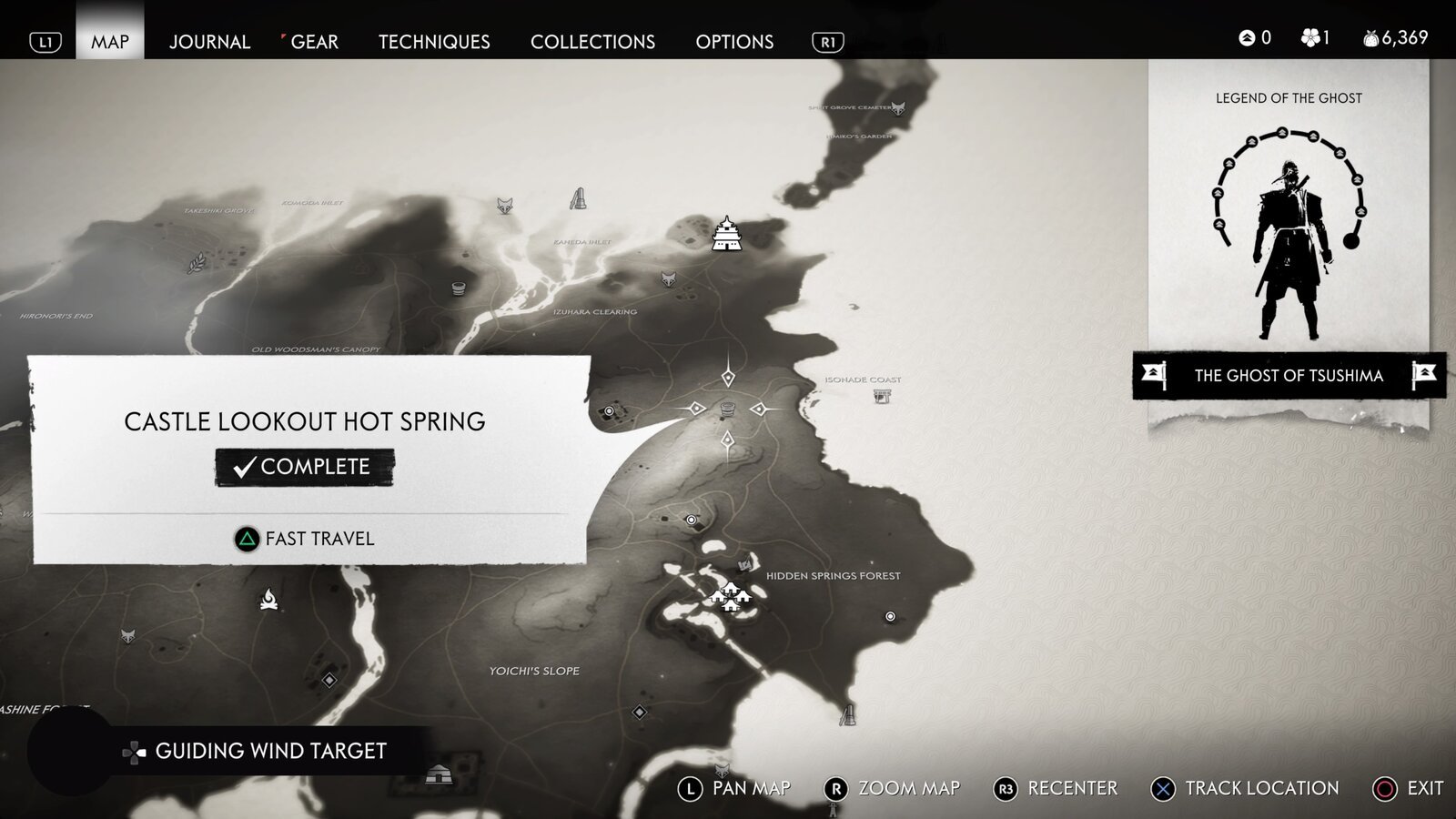
Three sets live in the same places, so hunt them together. Mongol Artifacts number 50: 17 in Izuhara, 17 in Toyotama and 16 in Kamiagata. They sit inside Mongol camps, forts, gers and occupied homes, and each one comes with a short note about Mongol culture. Wear the Traveler’s Attire and your controller vibrates as you close in, which turns every camp clear into a quick artifact sweep.
Records number 40: 16 in Izuhara, 16 in Toyotama and 8 in Kamiagata. These are the letters, orders and journals left in homes, inns, camps and temples, and they carry some of the best writing in the game. Check every building you liberate and every inn room you pass. Sashimono Banners number 80, the biggest set in the game, planted in and around Mongol territories and strongholds. Your growing banner total unlocks new saddles for your horse along the way. For the platinum trophy you only need part of these sets: 20 of the artifacts and 20 of the records. Banners carry no trophy at all, they just unlock saddles. Completionists clear all three the same way: liberate everything, then follow the question marks the cleared map reveals.
Singing Crickets, Hidden Altars and Lighthouses
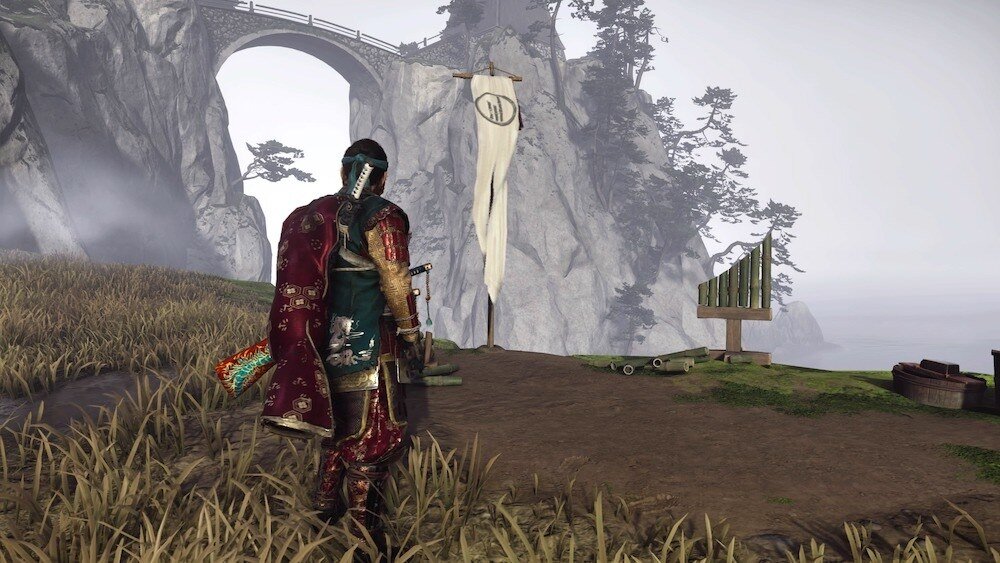
Singing Crickets number 20, with 10 of them in Izuhara and the rest spread across Toyotama and Kamiagata. The cages hide in cemeteries, near shrines and in quiet corners of villages. Each cricket you collect adds a new flute melody, and Jin’s songs can change the weather, so this set is secretly a weather control system. Five crickets are enough for the trophy, but the full set gives you every song.
Hidden Altars number 10, and they are exactly what the name says: small shrines with no map icon, no wind guidance and no prompt. Stand in front of one and bow by swiping down on the touchpad. If the altar counts, the world answers with a small sign, like fireflies rising or leaves swirling. Finding and honoring all 10 earns the Honor the Unseen trophy. They tend to sit in peaceful places: graveyards, quiet groves, fishing spots and the edges of villages.
Lighthouses number 8 on Tsushima, plus 2 more on Iki Island in the Director’s Cut. The Mongols put the fires out, and your job is to climb each tower and relight the brazier at the top. A lit lighthouse becomes a fast travel point and a landmark you can navigate by at night, and the views from the top are some of the best in the game.
Every Armor Set and How to Unlock It
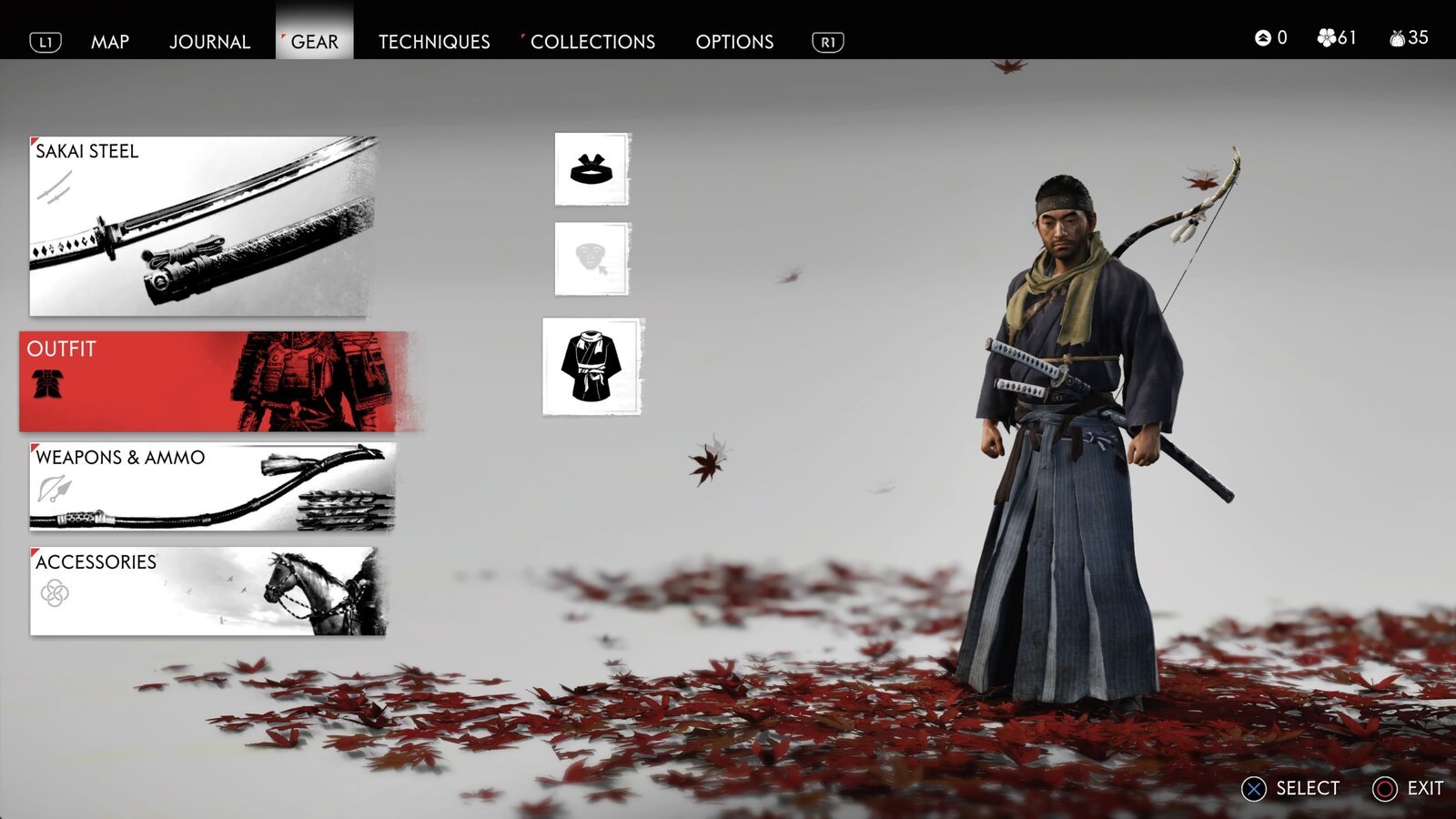
Armor in this game is a playstyle choice, not a stat ladder. Every set below can be upgraded at an Armorer with supplies, linen, leather and iron, and most sets earn their keep through perks rather than raw defense.
- Broken Armor: your starting set from the prologue. No perks. Wear it for the look and the humility.
- Traveler’s Attire: free from the first Merchant you talk to. Guiding Wind artifact tracking, controller vibration near collectibles, and faster fog clearing. The exploration set.
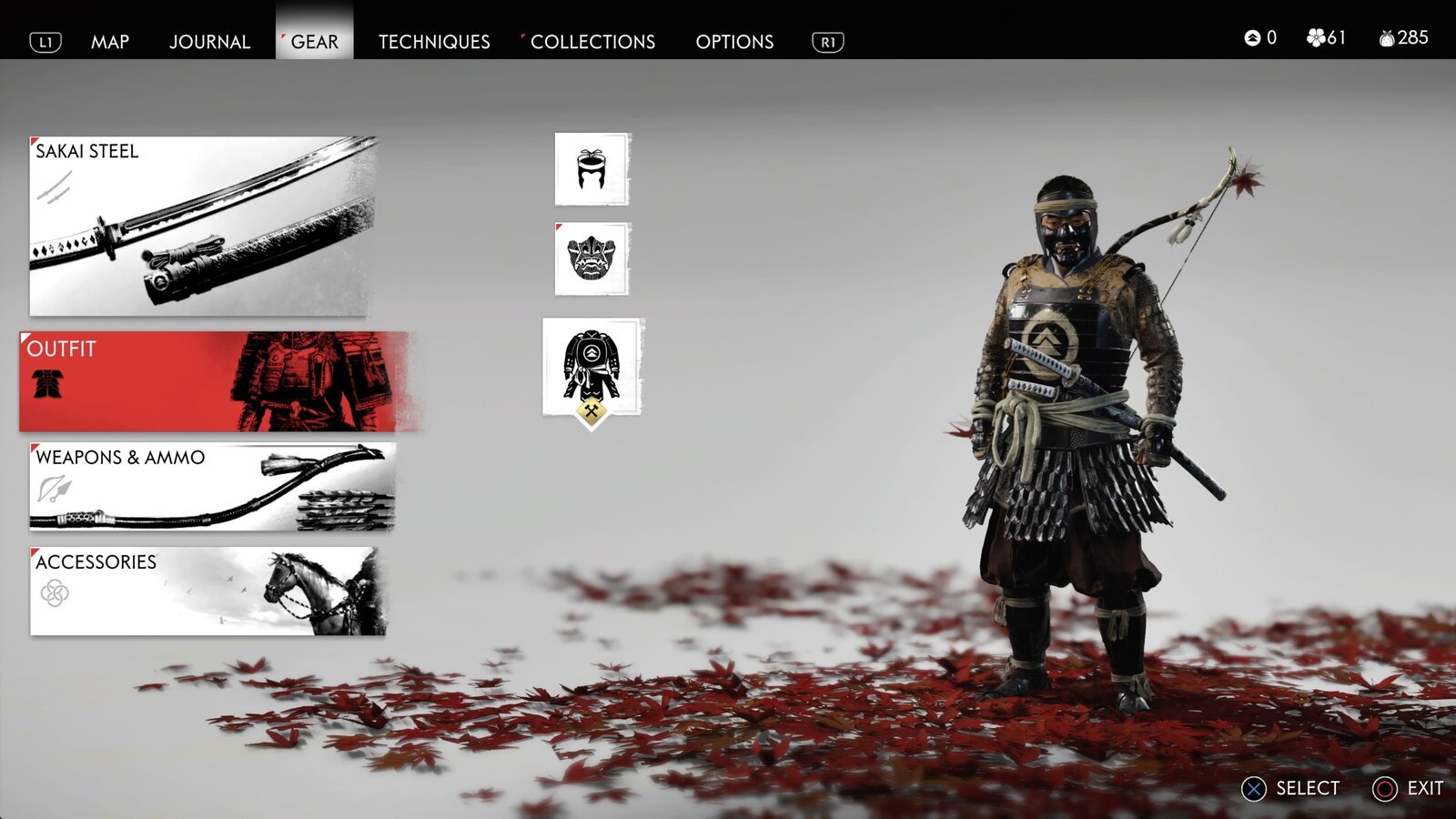
- Samurai Clan Armor: from the armorer at the Golden Temple during Lady Masako’s first tale in Act 1. Solid damage reduction, bonus health, and Resolve when you take damage. The reliable frontline set.
- Ronin Attire: awarded during the Act 1 story tale Blood on the Grass. Slower enemy detection and bonus melee damage. The stealth set.
- Tadayori’s Armor: reward for The Legend of Tadayori. Faster arrow nocking, drawing and reloading, longer Concentration, and Concentration returned on headshots.
- Gosaku’s Armor: reward for The Unbreakable Gosaku. A massive health increase, bonus stagger damage, and health restored when you kill a staggered enemy.
- Kensei Armor: reward for The Six Blades of Kojiro. More Resolve from everything, stronger Ghost weapons, and enemies hurt by your Ghost weapons take extra damage and deal less.
- Sakai Clan Armor: awarded during the Act 2 story tale Ghosts from the Past. Melee damage, bonus health, and a longer Standoff streak, up to five kills fully upgraded.
- Ghost Armor: awarded during the Act 2 story tale From the Darkness. Fewer kills needed to enter Ghost Stance, and your kills can terrify nearby enemies into fleeing.
- Mongol Commander’s Armor: awarded during the Act 3 tale Fit for a Khan. A disguise that lets you walk past Mongols out of combat, with strong defense. It cannot be upgraded.
- Fundoshi: soak in all 18 Hot Springs. Running and sprinting make no noise at all. A joke outfit that is genuinely great for stealth.
Director’s Cut and New Game Plus sets: the Sarugami Armor from The Legend of Black Hand Riku on Iki Island turns Perfect Parries into three hit counter chains. The Sakai Horse Armor from The Legacy of Kazumasa Sakai upgrades your horse instead of you. Two tribute shrines on Iki hide dye sets honoring other PlayStation heroes, the Armor of the Colossus at the Shrine in Shadow and the Ghost of Sparta set at the Shrine of Ash. In New Game Plus, the merchant Baku the Voiceless sells the Deadly Rival’s Attire and the Archery Master’s Attire for 25 Ghost Flowers each, alongside exclusive charms. The Hero of Tsushima set was a pre-order and special edition bonus.
Major Charms Worth Hunting
You carry two Major Charm slots and up to four Minor Charm slots, and the minor slots unlock as you pray at Inari Shrines. Minor charms mostly drop from Tales of Tsushima side tales. These are the majors worth building around:
- Charm of Amaterasu (Golden Summit Shrine): killing enemies restores a moderate amount of health. The single best survival charm in the game.
- Charm of Mizu-no-Kami (Spring Falls Shrine): parries, Perfect Parries and Perfect Dodges get a bigger timing window. If duels are beating you up, start here.
- Charm of Kagu-Tsuchi (Plum Blossom Shrine): a straight increase to melee damage. Simple, always on, always good.
- Charm of Susanoo (Stone Dragon Shrine): staggered enemies have a chance to be knocked down, which pairs beautifully with Gosaku’s Armor.
- Charm of Okuninushi (Mending Rock Shrine): slowly restores health while you are out of combat. Free healing between fights.
- Charm of Izanami (Marsh Rock Shrine): Iron Will brings you back with far more health, turning one death per fight into a real second chance.
- Charm of Inari’s Might (Inari Shrines): grows stronger as you pray at more Inari Shrines, ending as a big boost to health and melee damage.
- Charm of Silence (Inari Shrines): also powered up by Inari Shrines, ending with much slower enemy detection and faster Resolve gains. The stealth build’s best friend.
In New Game Plus, Baku the Voiceless sells extra charms for Ghost Flowers, including charms that power up specific Ghost weapons and playstyles, so a second run has real build rewards waiting.
All 25 Duels
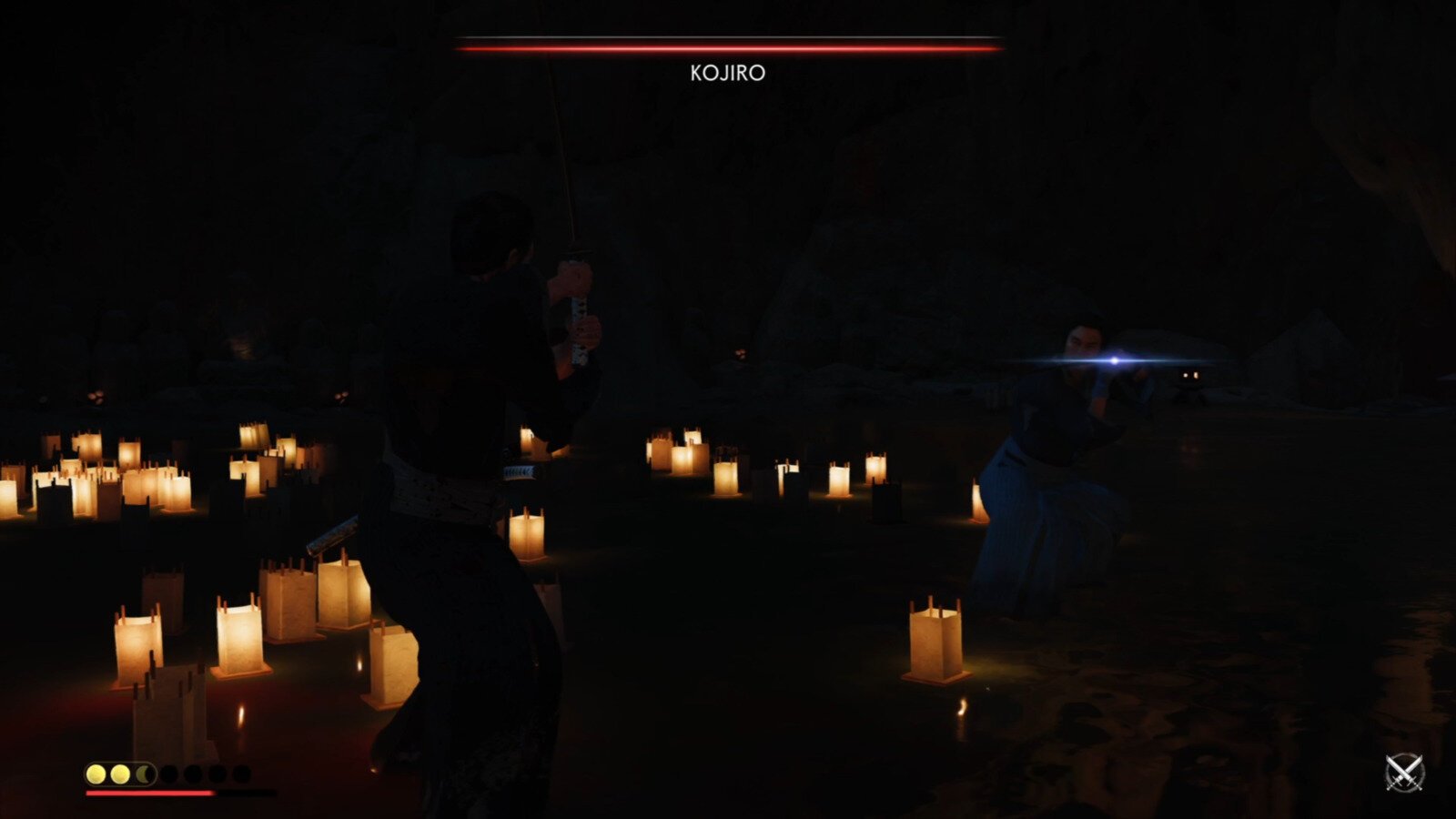
Duels are one on one katana fights with no Ghost weapons and no help. There are 25 duels in the base game, and finishing all of them earns the There Can Be Only One trophy. They break down like this:
- 6 story duels: Khotun Khan in the prologue (a fight you are meant to lose), Ryuzo in The Shadow of the Samurai, General Temuge in The Ghost of Yarikawa, Ryuzo again in From the Darkness, Khotun Khan in Eternal Blue Sky, and Lord Shimura in the finale.
- 5 Straw Hat duels in Toyotama, all part of The Six Blades of Kojiro: Yasumasa, Hirotsune, Tomotsugu, Kiyochika and Kanetomo.
- 4 outpost duels against commanders holding Mongol strongholds: Warlord Harunori at Azamo Bay, Warlord Dogar at Ogawa Dojo, General Bartu and General Dogshin.
- 6 Mythic Tale duels: Kaede, Yasuhira Koga, the Tengu Demon, the Spirit of Yarikawa, Kojiro and Bettomaru.
- 4 side tale duels: Jinroku, the Conspirator in Lady Masako’s tale line, Altan and Sanetoki.
Duel rules that save your life: a red glint means unblockable, so dodge. A blue glint means parry, and a Perfect Parry opens your biggest damage window. Switch stances to match your opponent’s weapon, keep the Charm of Mizu-no-Kami equipped while you learn, and spend Resolve on Heavenly Strike instead of healing whenever you are ahead. Kojiro and the final duel are the real exams, so walk in with full Resolve and upgraded Sakai steel.
The 100 Percent Completion Checklist
Print this list in your head and work it region by region. Nothing is missable, and a fully liberated island marks whatever you missed with question marks on the map.
- Finish all of Jin’s Journey story tales and all 61 Tales of Tsushima side tales
- Complete all 7 Mythic Tales, plus the 2 Iki Island tales in the Director’s Cut
- Pray at all 49 Inari Shrines and earn the Wolf of Tsushima mask
- Complete all 16 Bamboo Strikes for maximum Resolve
- Climb all 16 Shinto Shrines and collect every Major Charm
- Compose all 19 Haiku (16 open world spots and 3 story haiku)
- Take the sword kits from all 23 Pillars of Honor on Tsushima (26 with the Director’s Cut)
- Soak in all 18 Hot Springs for maximum health and the Fundoshi
- Collect all 50 Mongol Artifacts and all 40 Records
- Collect all 80 Sashimono Banners and unlock every saddle
- Collect all 20 Singing Crickets and every flute melody
- Bow at all 10 Hidden Altars
- Relight all 8 Lighthouses
- Win all 25 duels
- Collect every armor set, and at least 30 of the 59 Vanity Gear pieces for the trophy (all 59 for true completion)
- Liberate every Mongol territory in Izuhara, Toyotama and Kamiagata
- Fully upgrade your katana and tanto, unlock every technique, and finish the Iki Island content if you own the Director’s Cut
Do all of that and Tsushima is yours, every fox thanked, every shrine climbed, every banner planted. The platinum trophy, Living Legend, asks for a little less than this list, so if you finish the checklist you will have earned it along the way. Now get back out there. The wind is waiting.
The Checkpoint Poll
Leave a Reply