By Ruan Martini, Daily Checkpoint
There is a short list of games you are simply not supposed to touch. Not because they are fragile, but because they are finished in a way very few pieces of entertainment ever get finished. At the top of that list, in the opinion of basically every critic who has ever been handed a scorecard, sits The Legend of Zelda: Ocarina of Time. On November 5, Nintendo releases a ground-up remake of it, exclusively for Switch 2, right in the middle of the loudest month gaming has had in a decade. Two weeks later, GTA 6 lands and eats the planet. Nintendo knows that. Nintendo shipped anyway. I respect the nerve, and I want to talk about why this remake is a bigger deal than a nostalgia lap.
The road here was short and loud. Nintendo first revealed the remake during its June 2026 Nintendo Direct, then showed real gameplay and locked the date at the Zelda 40th Anniversary Direct on September 8. Series producer Eiji Aonuma has described the project to IGN as a faithful interpretation of the original adventure using modern technologies, and that word, faithful, is doing a lot of work in this article. Hold onto it.
The receipts: why this game is the sacred cow
Ocarina of Time launched on the Nintendo 64 in November 1998, and it was the first Zelda ever built in 3D. The numbers behind its reputation are not fan folklore. Metacritic scores it 99 out of 100, which makes it the highest-rated game on the entire site to this day, the only title sitting at 99 while everything else in history fights over 98 and below. Famitsu, the Japanese magazine famous for almost never handing out perfect scores, gave it a 40 out of 40. IGN gave it a 10. GameSpot gave it a 10. Edge gave it a 10. It sold around 7.6 million copies on the N64 and, per the historical record, was pre-ordered three times more than any game before it in the United States.
Scores are the boring half of the story, though. The real reason this game is untouchable is that it quietly invented the grammar of 3D action games. Z-targeting, the lock-on system that lets you circle an enemy while the camera behaves, came from this cartridge. So did the context-sensitive button, one button doing different jobs depending on where you stand. Every action game you have played since, from Dark Souls to God of War to the combat in half the open worlds on your shelf, runs on plumbing that a 32 megabyte cartridge from 1998 installed first. That is the trap waiting for the remake, and we will get to it.
What Nintendo actually changed
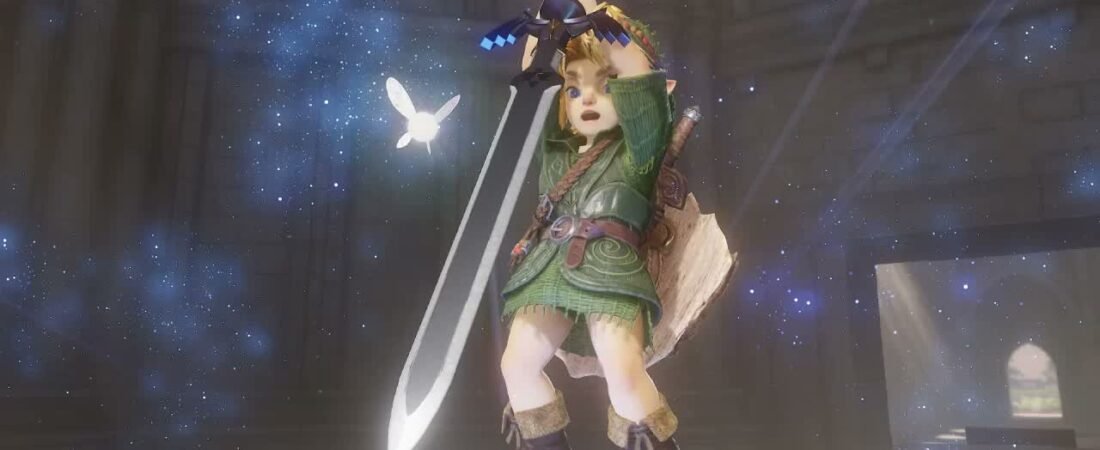
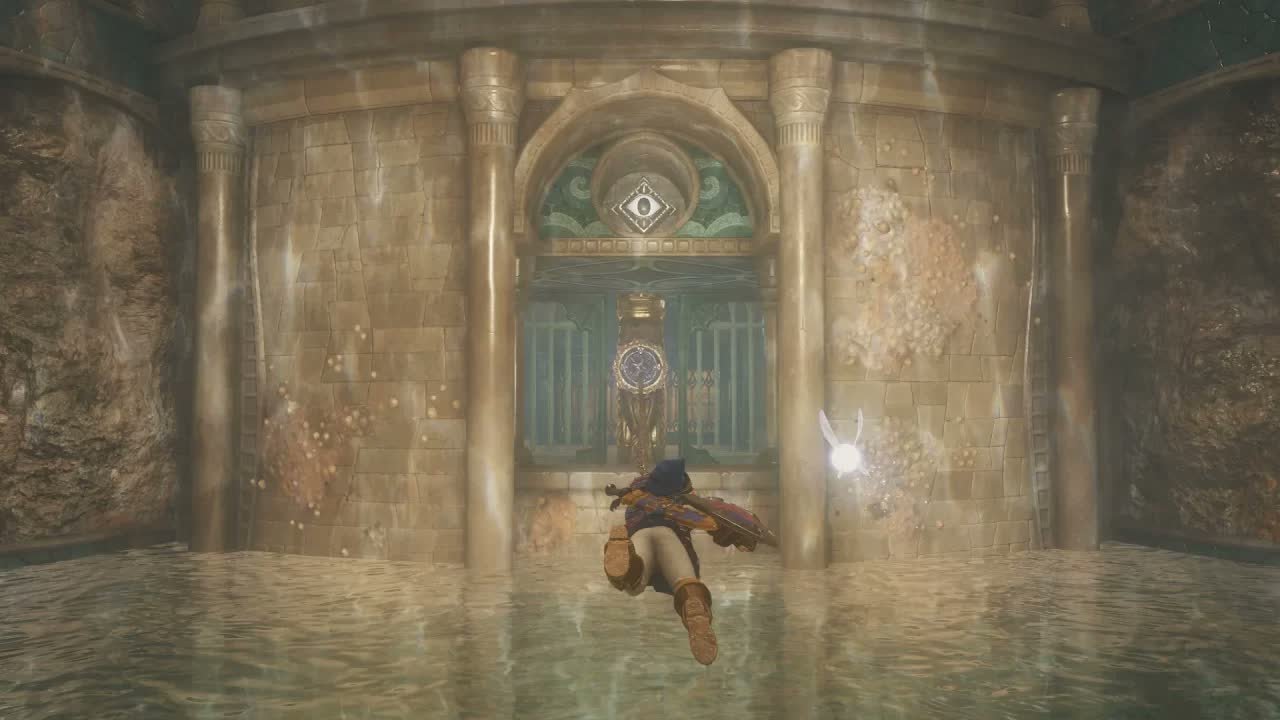
This is not a texture pack. Nintendo rebuilt the game, and the confirmed list of changes is longer than the June teaser suggested. The visuals are overhauled from the ground up. Cutscenes are now fully voiced, with expanded dialogue. Koji Kondo’s score has been re-recorded as a full orchestral soundtrack. On the control side, Link gets a run button, faster swimming, a free camera, motion-controlled aiming, and a scrollable inventory in the style of the modern games.
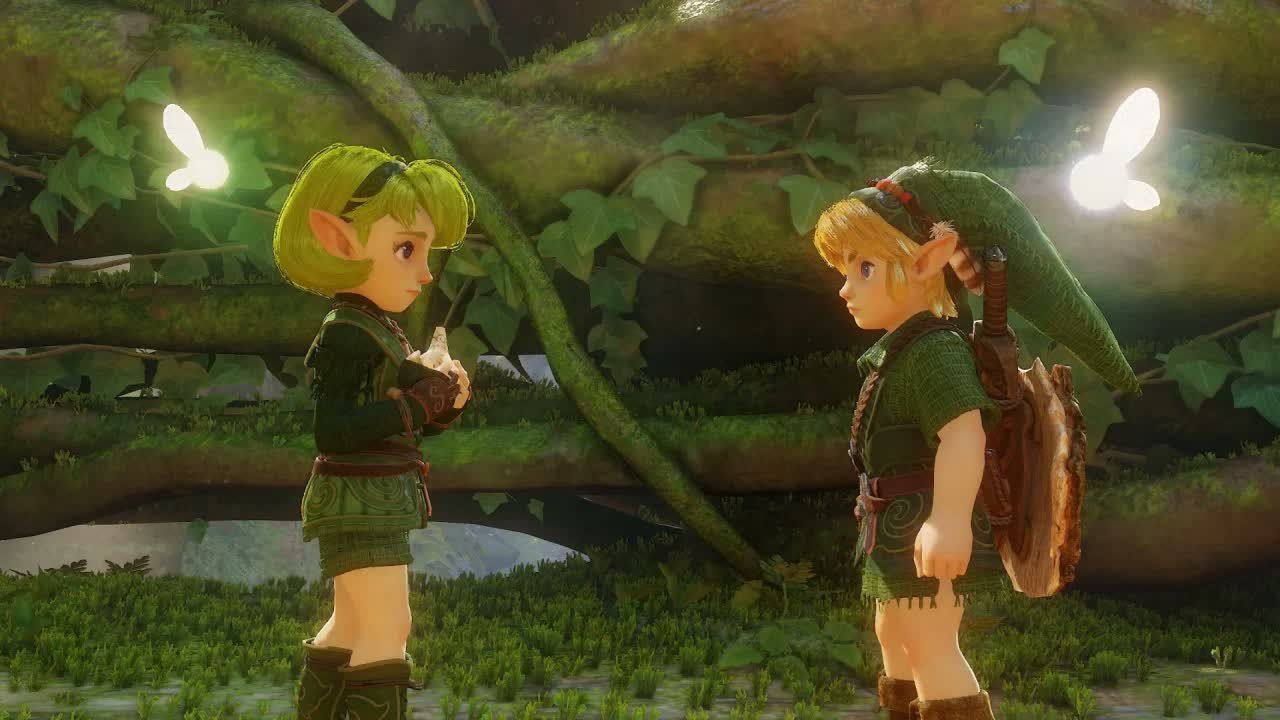
My favorite detail on the whole list is the jump button. The remake lets Link jump with a dedicated button, which sounds like nothing until you learn that Nintendo cut manual jumping from the 1998 original during development, a decision Shigeru Miyamoto explained in an interview that first appeared in a 1999 strategy guide. Twenty-eight years later, the remake quietly restores the feature the original team talked itself out of. That is a deep cut, and it tells you the people building this thing did their homework.
New content exists too, carefully fenced. A new area called the Hall of Fallen Foes holds statues of enemies you have beaten, with lore attached and the option to rematch them in simulated fights. Nintendo has also shown expanded locations, with Castle Town named among the areas getting more room and new side quests. And in the most Nintendo move imaginable, you can now play the ocarina through the Switch 2’s microphone, humming or playing real notes into the console and watching Link perform them. The Zelda Notes service in the Nintendo Switch app ties in as well, with records, a photo feature, and a trivia quiz that coverage of the app puts at more than 2,000 questions about the game.
This is not the 3DS treatment
Some of you already own a remade Ocarina, and it is worth being precise about the difference. Ocarina of Time 3D arrived on the 3DS in 2011, built by Grezzo, and it was a respectful modernization: cleaner graphics, gyro aiming, touch-screen inventory that fixed the Water Temple boot-swapping nightmare, hint videos for stuck players, plus a Boss Challenge mode and the Master Quest remix for veterans. It kept the 1998 skeleton exactly where it was and sanded the splinters.
The Switch 2 remake goes further on presentation and voice while staying, by Nintendo’s own framing, conservative on structure. No dungeon has been announced as redesigned. The design is being treated as settled law, and all the money went into how the game looks, sounds, speaks, and feels in the hands. Whether that is the right call is the whole argument, so let us have the argument.
The untouchable problem
Remaking the highest-rated game ever made is a job with no winning move, only degrees of losing gracefully. Consider what the remake is up against. The original’s innovations are invisible now, because everyone copied them so completely that a first-time player in 2026 will play Ocarina and think it feels normal. Normal was the miracle. A remake cannot re-deliver the shock of 1998, when nobody had ever seen a world like Hyrule Field rendered in 3D and a generation of kids rode out of Kokiri Forest with their jaws on the floor.
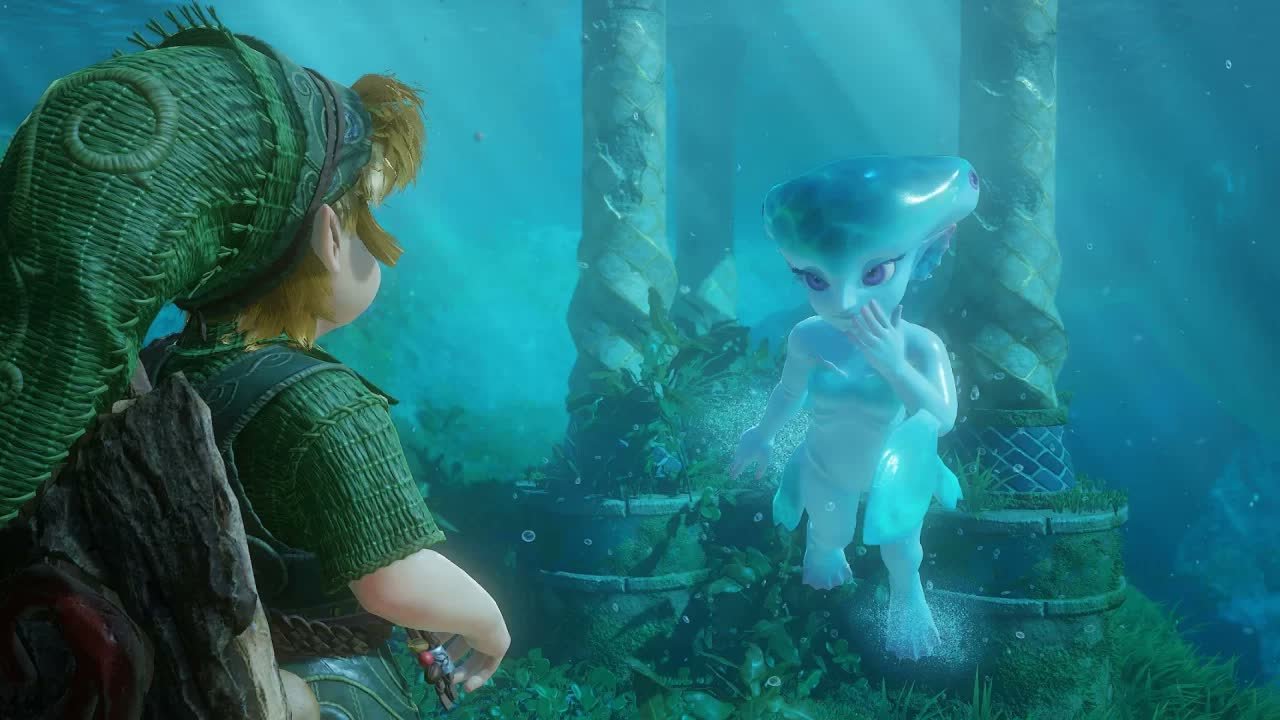
Then there is the voice acting. The original game is nearly silent outside of grunts, laughs, and one fairy yelling “Hey! Listen!” at you. That silence left room for your imagination to direct the movie. Fully voiced cutscenes with expanded dialogue might deepen Ganondorf’s menace. They might also explain things the original trusted you to feel. Nobody knows which way it lands until the credits roll, and Nintendo is betting the anniversary on its instincts.
One more wrinkle for the tech nerds, clearly labeled: this is reported, not confirmed. Notebookcheck reported this week that the remake’s own software license notices, spotted in a copy of the game that surfaced early, list AMD’s FidelityFX Super Resolution 1.0 and SMAA for upscaling and anti-aliasing, with no DLSS entry visible, on a console whose whole sales pitch includes NVIDIA upscaling. Nintendo has not commented, and a license notice proves the code ships in the build, not how the game actually renders. Still, if the full analysis lands where the license screen points, expect a loud week of pixel counting. An early copy reportedly leaked on Halloween, five days before launch, per TheGamer’s reporting, so some of the answers are already crawling around the internet whether Nintendo likes it or not. Watch your feeds if you care about spoilers for a 28-year-old story, which is a sentence I cannot believe I just typed.
Nintendo picked its window, and it picked it well
Now the timing, because the timing is the story my readers actually live in. November 2026 belongs to GTA 6. November 19 is circled on every calendar in this house, and Rockstar’s shadow covers the whole month. Nintendo looked at that calendar and did something smart: it took the front of the month and turned it into a Zelda holiday. A limited Zelda 40th Anniversary edition of the Switch 2 console and a matching Pro Controller went on sale October 29, a week early, so the hardware is already on shelves wearing the celebration. Nintendo is holding midnight launch events, including one at its London store where buying the game gets you a replica of the original N64 box. Pre-order bonuses lean hard into the same nostalgia, from N64-style slipcovers at EB Games in Canada to Spiritual Stone replicas through Nintendo’s UK store.
Context matters here too. The Zelda series turns 40 in 2026, four decades after the original game launched in Japan in 1986, and Nintendo has built its entire fall around that birthday: the anniversary Direct in September, the anniversary hardware in October, the crown jewel remake in November. This is not a random catalog release that wandered into GTA 6’s month by accident. It is the centerpiece of a year-long celebration, scheduled on purpose, in the one window of the month where the oxygen is still breathable. By the time Rockstar’s marketing machine reaches full volume in the back half of November, Nintendo wants this game bought, played, and argued about already.
The pricing is old-school Nintendo too. The digital edition is $59.99 and the physical edition is $69.99 in the US, pre-orders are open now, and the physical copy is a real game card with the full game on it, roughly 27 GB, no download-code gamesmanship. The first print run even gets foil cover art while supplies last. Two new amiibo, Young Link and Young Zelda, follow sometime in 2027 and unlock mask cosmetics in the game. None of this feels like a company hiding from GTA 6. It feels like a company that knows its audience overlap with Rockstar’s is smaller than the internet thinks, and that the people who buy a Zelda remake at midnight were never going to skip it for a crime saga in Leonida. Different sport, different stadium, same month.
Who this is actually for
Three crowds, near as I can tell. The originals, who played it in 1998 and will buy it on reflex and then argue about the voices for a month. The 3DS generation, for whom Grezzo’s version was their first Hyrule and who now get the big-screen, fully voiced edition. And the first-timers, the most interesting group, people who have heard this game called the greatest ever made for their entire lives and finally get a version that does not ask them to wrestle a 1998 camera before the first dungeon. If the remake works for that third group, it has done something genuinely hard.
My take, from the PlayStation side of the fence: I am a GTA channel. My November is spoken for, my PS5 Pro is warmed up, and midnight on the 19th I am live in Leonida like my rent depends on it. And still, I have nothing but respect for what Nintendo is doing here. Ocarina of Time is the game that taught 3D games how to walk. If you own a Switch 2, this is the easiest recommendation of the month that does not involve a wanted level. Enjoy your two weeks at the top of the calendar, Hyrule. You earned them, and then November belongs to Leonida anyway.
Sources
Nintendo, Zelda 40th Anniversary Direct (September 8, 2026) and June 2026 Nintendo Direct, via Nintendo and press coverage.
Nintendo product listing and Nintendo Store pre-order pages for The Legend of Zelda: Ocarina of Time (Switch 2).
IGN, Eiji Aonuma interview on the remake’s faithful approach.
Video Games Chronicle, hands-on impressions and UK midnight launch announcement (November 2, 2026).
RPGFan, overview trailer coverage (November 1, 2026).
TheGamer, pre-order bonus and early-copy reporting.
Notebookcheck, FidelityFX Super Resolution license notice report (November 2, 2026).
The Daily Game, manual jump feature restoration and Zelda Notes quiz reporting.
Metacritic and Wikipedia, original 1998 reception, sales, and review scores.
Leave a Reply