
Image: Team Z2 / MUGEN Database
Open Google Images and search for MUGEN and this is what you get: a character select screen with so many tiny portraits it looks like a stadium crowd. Naruto in one corner, Goku in the other, and a few hundred of their closest friends in between. I know that wall well. I played a lot of these games, and Naruto vs Goku was always the main event for me. Picking those two, fighting as them, and transforming in the middle of the battle, that was the whole fun. No official game was ever going to give you that matchup with that roster. So fans built it themselves.
What you are looking at in those screenshots is not one game. It is a whole underground genre that has been running for over 25 years, built on a free engine from 1999, powered by ripped sprites, hand drawn characters and an unreasonable amount of free time. Some of these builds are masterpieces. Some are held together with hope and WinRAR. One of them is not even a real MUGEN game, and it has hundreds of thousands of downloads anyway. Here are 17 of them, plus how this entire thing was created in the first place.
First, how do you even make one of these?
Start with the engine, because the engine is the weirdest part. M.U.G.E.N is a freeware 2D fighting game engine made by Elecbyte, a small and extremely mysterious group out of Ann Arbor, Michigan. It was written in C and first released in July 1999 for MS-DOS. The name is an acronym, except Elecbyte later claimed they forgot what it stood for, which is the most on brand thing about this entire story.
Here is the part people get wrong: MUGEN was never really a game. Out of the box it shipped with exactly one original character, a guy called Kung Fu Man, and a couple of stages. That was it. The engine was a kit. The game was whatever you built on top of it, and the inspiration was written on the box from day one. The crossover itch came from The King of Fighters ’94, the first big game that threw characters from different series into one roster. MUGEN took that idea and removed every limit.
A MUGEN character is just a folder. Inside it sits a small definition file that points at everything else: an SFF file with all the sprites, an AIR file with the animations, a CNS file with the state code that decides what the character does in every situation, a CMD file with the button inputs, an SND file with the sounds and ACT files with the color palettes. If that sounds like a lot of text files, it is. The tool that made it manageable is Fighter Factory, made by VirtuallTek. The first version came out in 2005, the current Studio version has been around since 2018, and it lets creators edit sprites, animations, hitboxes and code in one window instead of wrestling raw files. Most characters you have ever seen in these builds passed through it.
The sprites themselves came from two places. Plenty were ripped straight out of commercial games, arcade boards, Game Boy Advance and Nintendo DS titles, whatever a fan could extract. Others were drawn by hand, pixel by pixel, by people who decided the character they wanted did not exist yet. The chibi style you see in most anime builds has its own name, JUS, because the sprites follow the look of Jump Ultimate Stars, the DS crossover fighter. Half the anime MUGEN scene runs on that one sprite tradition.
And the transformations, the thing that sold me on Naruto vs Goku back in the day? That is just the state code doing its job. A character in MUGEN is basically a list of states: standing, jumping, punching, getting hit. A transformation is the coder adding a new set of states with new sprites, new moves and new stats, then tying it to a command and usually a full power bar. Hit the input, the character flips into the new form, a variable in the code remembers which form he is in, and every move after that reads from the new list. Super Saiyan Goku and Nine Tails Naruto are, under the hood, the same guy wearing a second moveset. Simple idea, endless arguments about balance.
The last piece is the screenpack, the skin that decides how the menus, the lifebars and that famous character select wall look. Pair an engine, a screenpack and a pile of character folders and you have what the community calls a full game or a build. That is all a “game” on this list is, even the giant ones.
The engine’s own history is a soap opera. Elecbyte moved development to Linux in November 2001, then discontinued the project and shut the site down in 2003. A private Windows beta that was only meant for donators leaked, complete with a two character limit and nag screens, and in 2004 a “no limit” hack stripped those locks out. That hacked build, WinMUGEN, powered the scene for years. Elecbyte’s site quietly came back in 2007, and on September 19, 2009 they returned for real with release candidates of MUGEN 1.0, which went final in January 2011. A 1.1 beta followed in August 2013. Then they vanished again, and the site has been down for years.
The torch passed to Ikemen GO. Ikemen started in 2017 with Japanese developer Suehiro, and Ikemen GO is its open source rewrite in the Go programming language. It runs the same characters and stages MUGEN does, then adds the things Elecbyte never shipped, like online play and proper tag team modes. A lot of the newest builds on this list run on it, and one game on this list owes its entire commercial release to Ikemen GO’s open license.
The 17
1. Hyper Dragon Ball Z
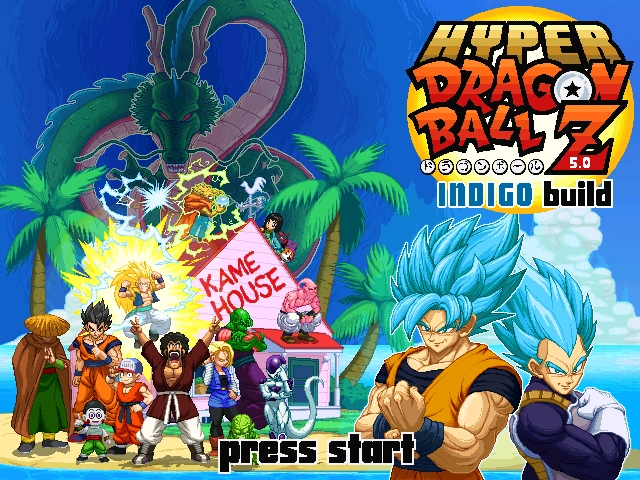
The gold standard. Team Z2, led by spriter Balthazar and coder Cybaster, looked at the Dragon Ball corner of MUGEN, which had a reputation for broken, overpowered characters, and decided to do it properly. Every sprite is drawn for this game, the system borrows from Street Fighter and Darkstalkers with air dashes and power struggles, and the roster stays tight at around twenty fighters instead of two thousand. The first full release landed on December 31, 2014, PC Gamer and Kotaku both covered it, and the Champ Edition updates are still being posted on the Mugen Fighters Guild. If somebody asks why people take MUGEN seriously, this is the answer you hand them.


2. Jump Force Mugen V14
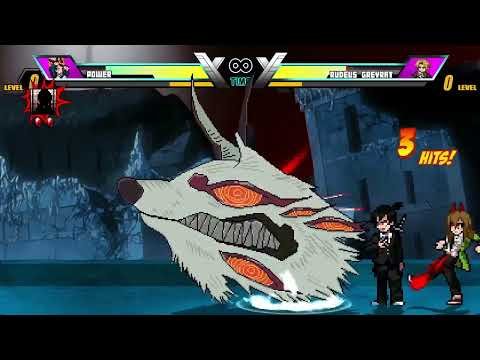
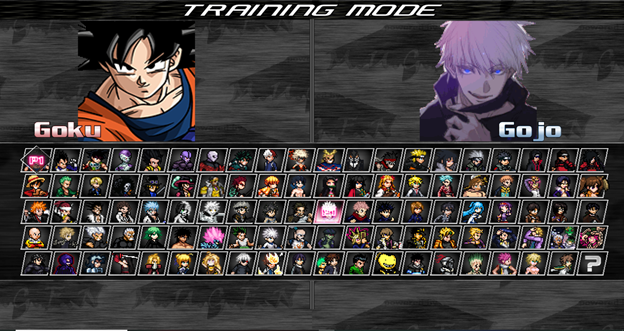
The exact opposite philosophy, and the one in most of those screenshots. Jump Force Mugen takes Bandai Namco’s crossover idea and asks what happens if nobody ever says no. The build is compiled by Dark Night in the chibi JUS style, and the download pages brag about more than 900 characters, with one version page claiming 1,616 fighters and roughly 100 GB of hard drive once unzipped. Treat those numbers as the uploaders’ own marketing, because nobody sane has counted. What is real is the shape of it: Dragon Ball, Naruto, One Piece, Bleach, My Hero Academia, Jujutsu Kaisen, all of it, on PC and as an Android APK. This is the wall of portraits as a lifestyle.



3. Anime Stardust Ultimate V5
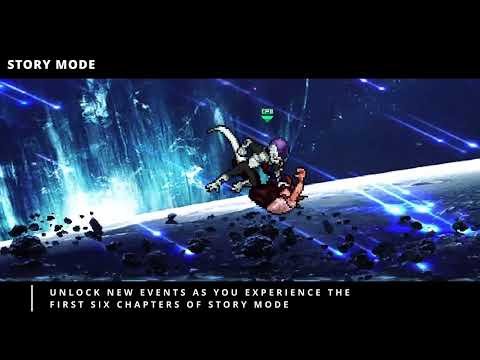
Damaylor’s long running crossover project, now on Ikemen GO. The hook here is consistency: instead of grabbing random characters off the internet, the whole roster gets converted into one house style, Stardust style, so the fights look like they belong in the same game. The V5 update arrived in June 2026 with new characters, new stages, three new Story Mode chapters and a Tournament Mode, and the unzipped build takes up about 17 GB. Download sites claimed 500 or more fighters for the previous version. Again, that is their number, not a census. It is one of the most actively developed builds in the scene right now.


4. Anime Battle M.U.G.E.N
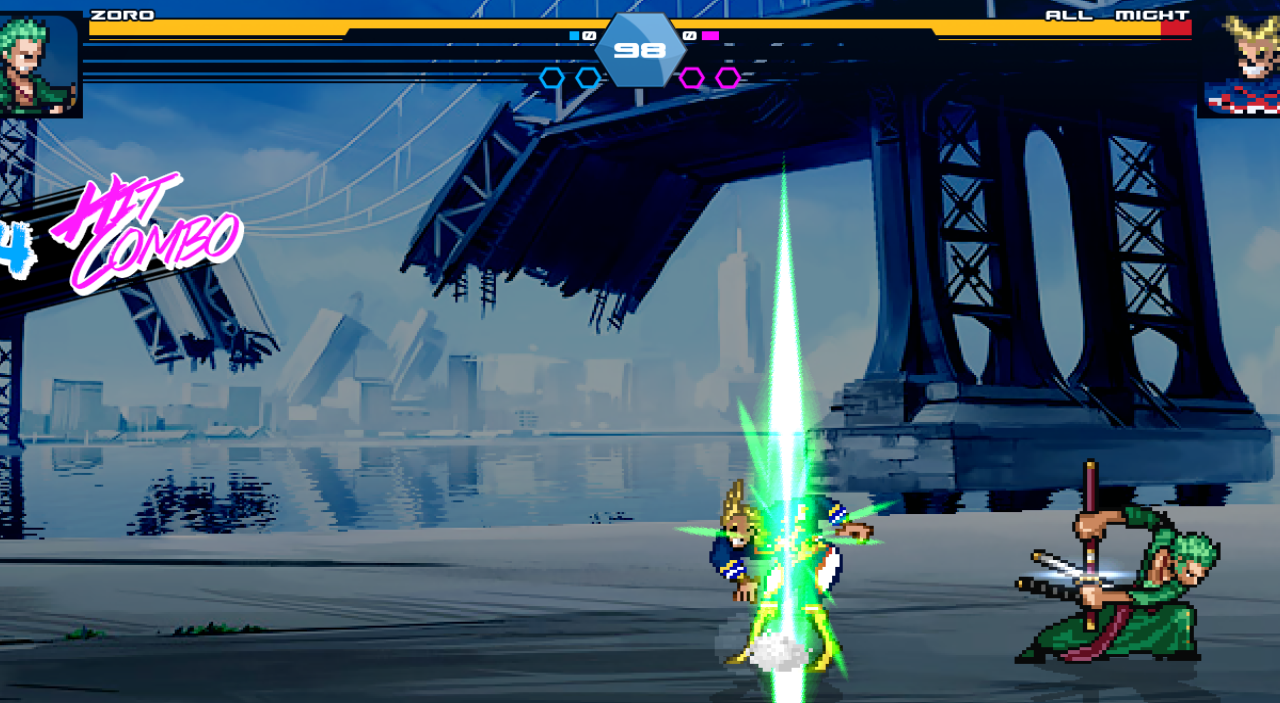
The one from the screenshots, sitting on itch.io under developer Asura. This is a smaller, friendlier take: local versus, one player against the CPU or two players on the same screen, pixel art sprite versions of a wide range of anime characters. The game’s own itch.io page says 60 or more playable characters, with the roster still being updated over time, and it has been around since 2021. It is pay what you want, including nothing, and the page is honest about what it is: an unofficial fan project. In a scene full of 60 GB monsters, a tidy little versus fighter that just works earns its spot.

5. Isekai Battle Mugen
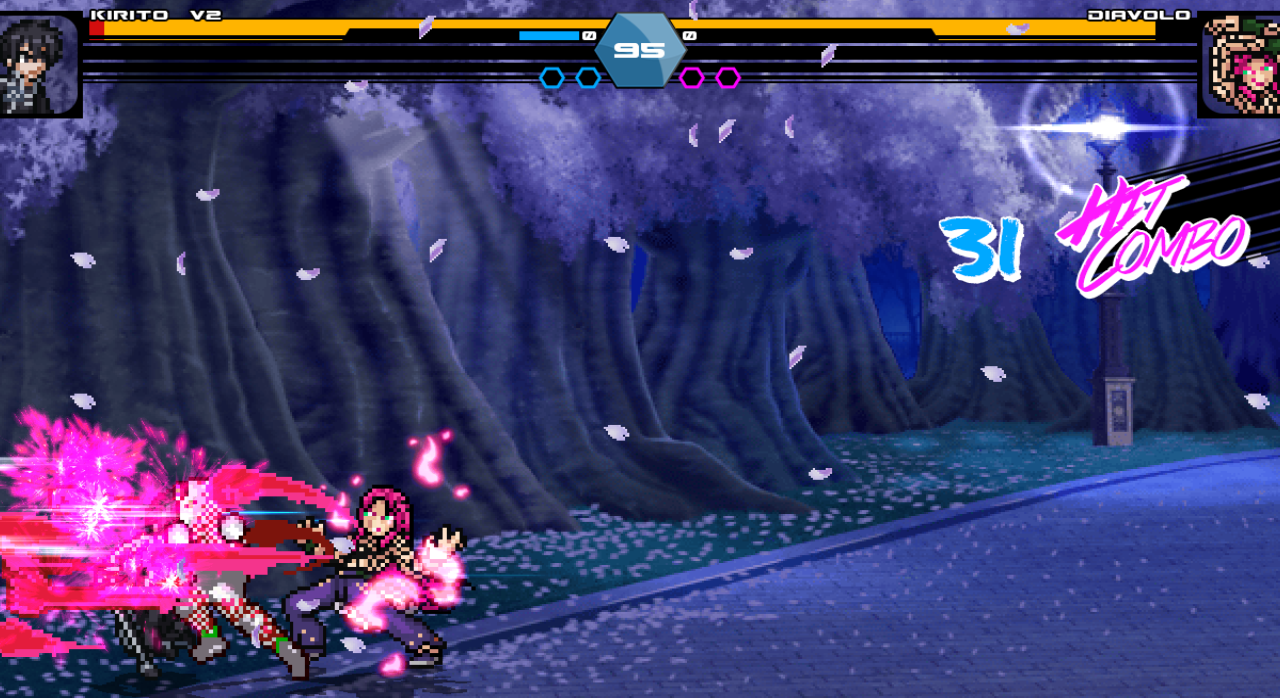
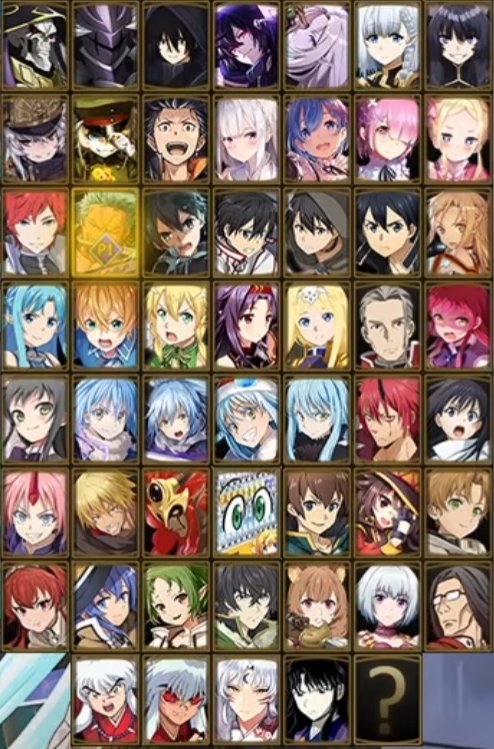
Dark Night again, this time with a theme. Instead of every anime ever, Isekai Battle Mugen only takes characters from isekai series: Sword Art Online, Re:Zero, Overlord, KonoSuba, That Time I Got Reincarnated as a Slime, The Rising of the Shield Hero and friends. The listing counts 54 or more fighters. It ships in two flavors, an Ikemen GO build with extra modes like Team Co-op and Survival, and a MUGEN 1.1 build that is lighter and can even run on Android through the Winlator emulator. Proof that the giant crossover scene grew up and started making curated mixtapes.


6. Naruto Shippuden Ultimate Ninja Blazing 2 Mugen
A Naruto only build with actual ambition. Put together by the ALEX TV G.T.M fan group, the current edition runs on the Ikemen engine rather than plain MUGEN, and the download pages describe a story mode, an online mode and a batch of new and updated characters, including Guren, Chojuro and several forms of Boruto. This is what the single series builds look like when a fanbase decides the official games are not enough: same engine as the crossover chaos, aimed at one universe.


7. Naruto Shippuden Ultimate Ninja 6 Mugen
KODIAKA GAMES made a small career out of Naruto MUGEN builds, and this is their big one. The makers claim more than 110 characters from across Naruto, Shippuden and Boruto, with the story running up to the end of the Fourth Shinobi World War arc, and the game circulates for both PC and Android as an APK. The roster number is the creators’ claim, but the shape of the thing is not in doubt: this is the Naruto version of the giant grid, every era of the series stuffed into one select screen, transformations included.


8. Mugen Anime Fight
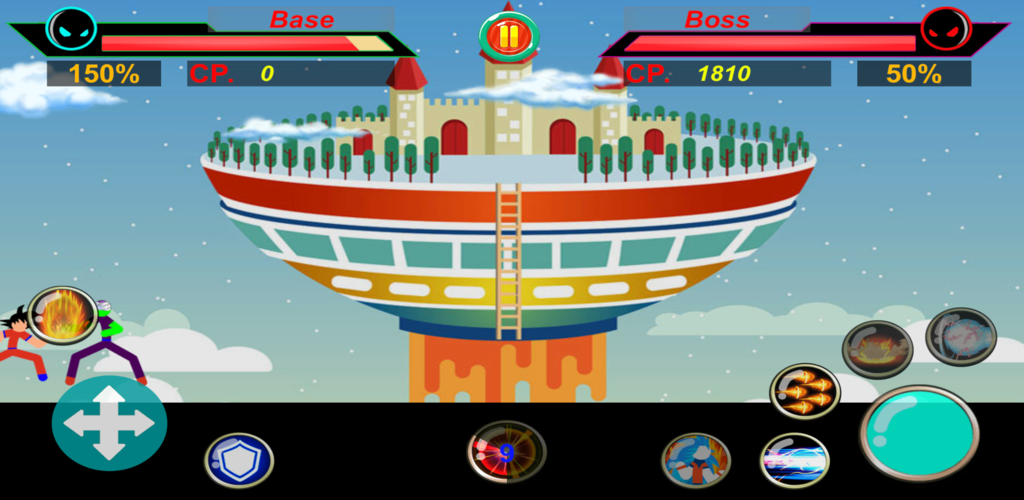
Now the cautionary tale. Mugen Anime Fight is an app on Google Play from rainbow crush studio, live since March 2025, and its store screenshots are exactly the images floating around in searches like the ones that started this article: the giant Naruto versus everybody grid.

Image: rainbow crush studio, via Google Play
AppBrain counts roughly 280 thousand installs. The problem, per a mountain of one star reviews sitting at about a 1.3 average, is that the actual game is a stickman fighter with ads in the middle of matches. The screenshots are borrowed MUGEN flavor, the game is not MUGEN at all. There is also an older app with the same name by a developer called CH757 floating around APK sites. The lesson of the mobile era: on the Play Store, the name MUGEN sells the dream, and the dream is frequently a stickman.



9. Super Marvel vs. Capcom: Eternity of Heroes
The Infinity Mugen Team’s landmark project, managed by Acey, built on one complaint every Marvel vs Capcom fan has had at some point: the roster is too small. Their answer was a full game in the Capcom versus style with more than 100 playable characters, pulling in Marvel and Capcom names the official games never touched. Eternity of Heroes became one of the most passed around full games in MUGEN history, and it turned the Infinity Mugen Team into the scene’s closest thing to a studio. Three more entries on this list are theirs. That is not favoritism, that is the record.


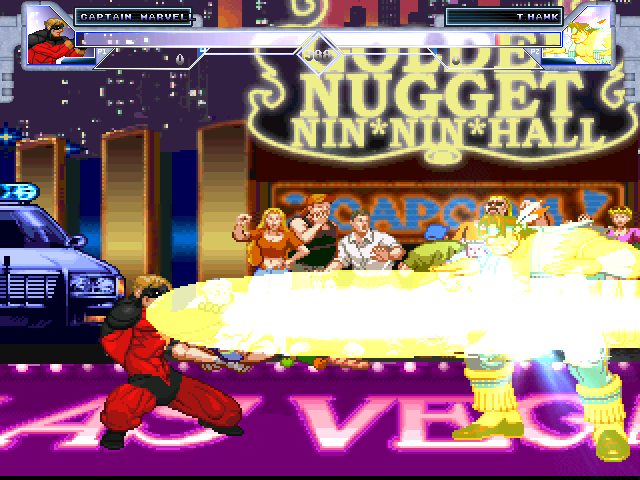

10. Marvel vs. Capcom X 3.0
The modern take on the same dream, from a group called Marvelous MUGEN Corner. Version 3.0 is billed as the team’s final 2026 build: a tag team fighter in the Capcom versus mold with more than 30 Marvel and Capcom characters, extra stages and another round of balance updates. Thirty sounds small next to the anime monsters on this list, until you remember that official Marvel vs Capcom games launched with rosters in that neighborhood and charged money for them.

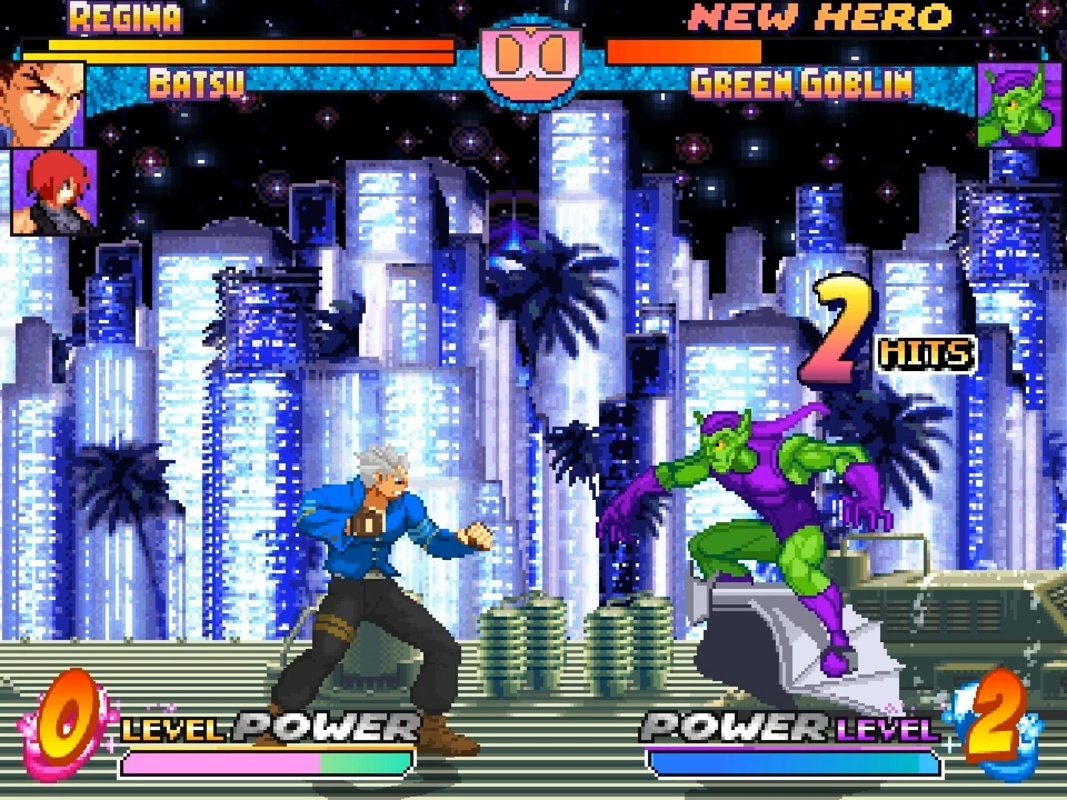
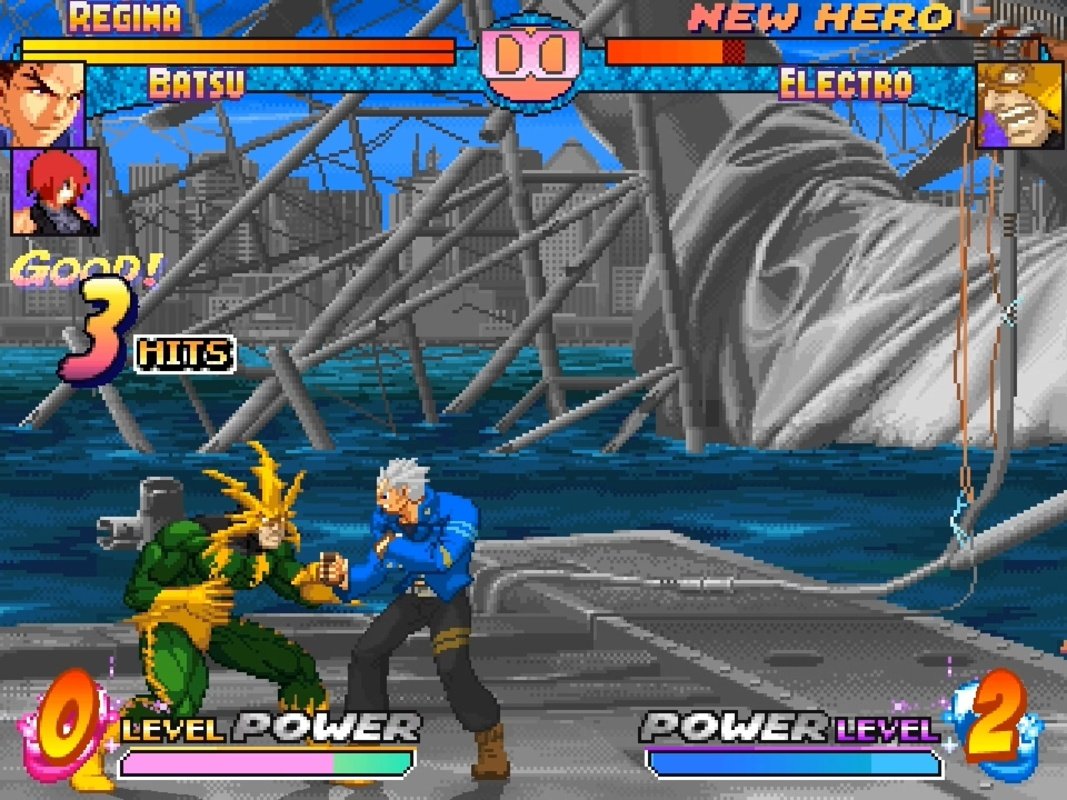
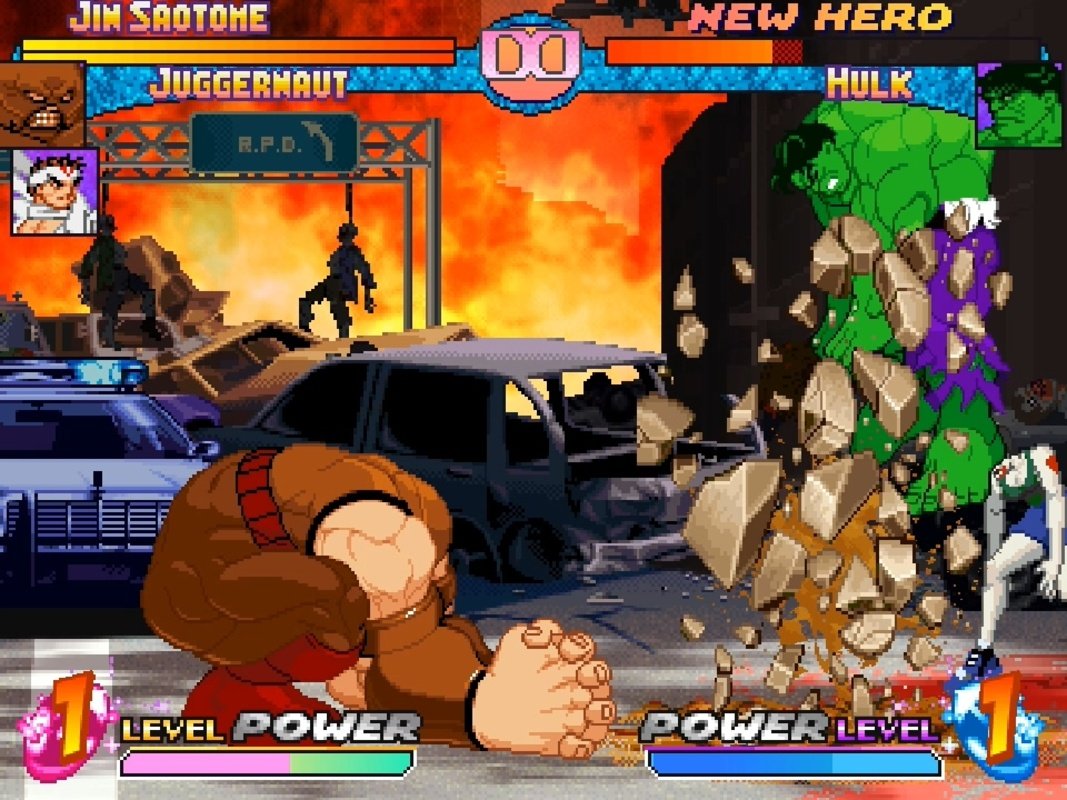
11. X-Men: Second Coming
This one has an origin story. Project X began back in 2002 as a fan attempt at a sequel to Capcom’s X-Men: Children of the Atom, wandered the internet for years, and finally landed at the Infinity Mugen Team. X-Men: Second Coming, released on December 11, 2010, was the team’s first full game: an adaptation of the Second Coming comic storyline with around twenty five mutants, a big chunk of them coded by ZVitor, whose name comes up again and again in Marvel MUGEN. A fan project with an eight year runway that actually shipped. Respect.


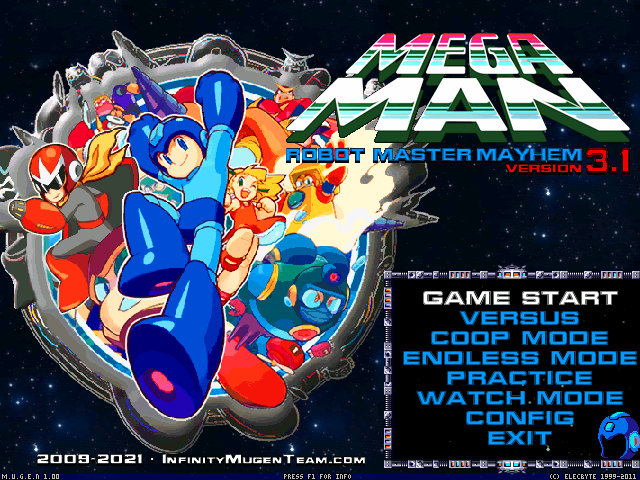
12. Mega Man: Robot Master Mayhem
Infinity Mugen Team again, and the most mechanically interesting game on the list. In development since 2009 and still updated on Game Jolt, it is a Marvel vs Capcom style fighter where every one of the 30 playable Robot Masters carries six different weapon power sets and can swap between them in the middle of a
fight, just like Mega Man stealing boss weapons. The Game Jolt listing counts 53 stages and animated introductions and endings for the cast. Transformations were the gimmick in the anime builds. Here, swapping your entire arsenal mid combo is the gimmick, and it rules.


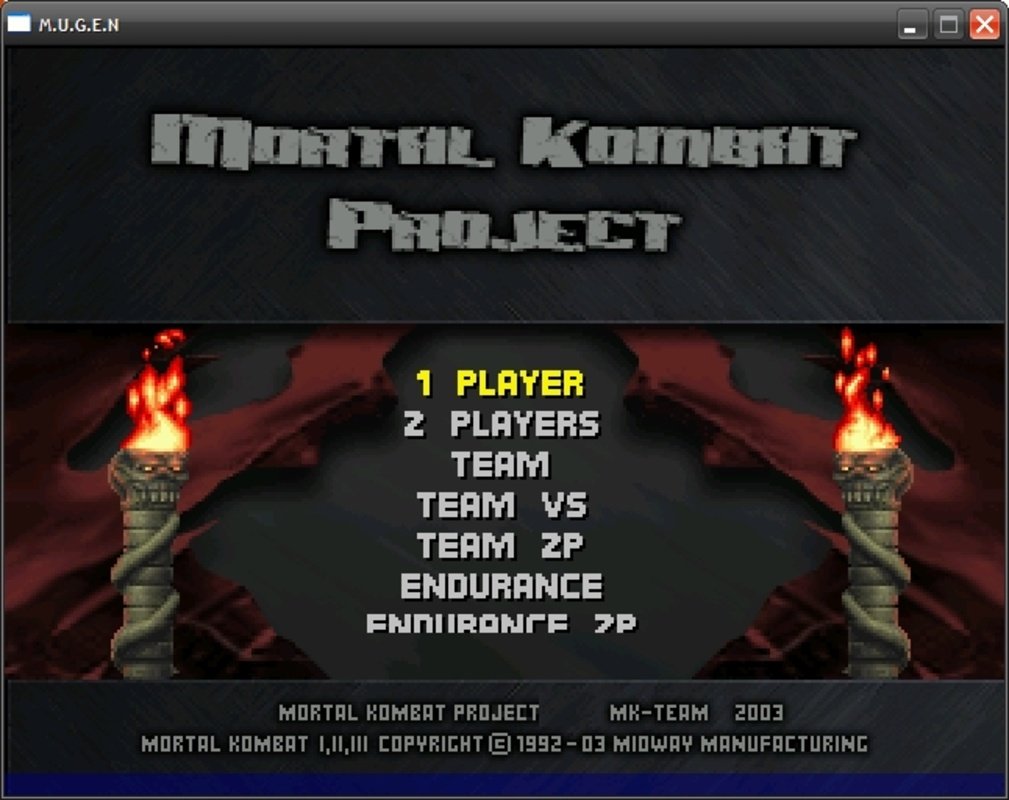
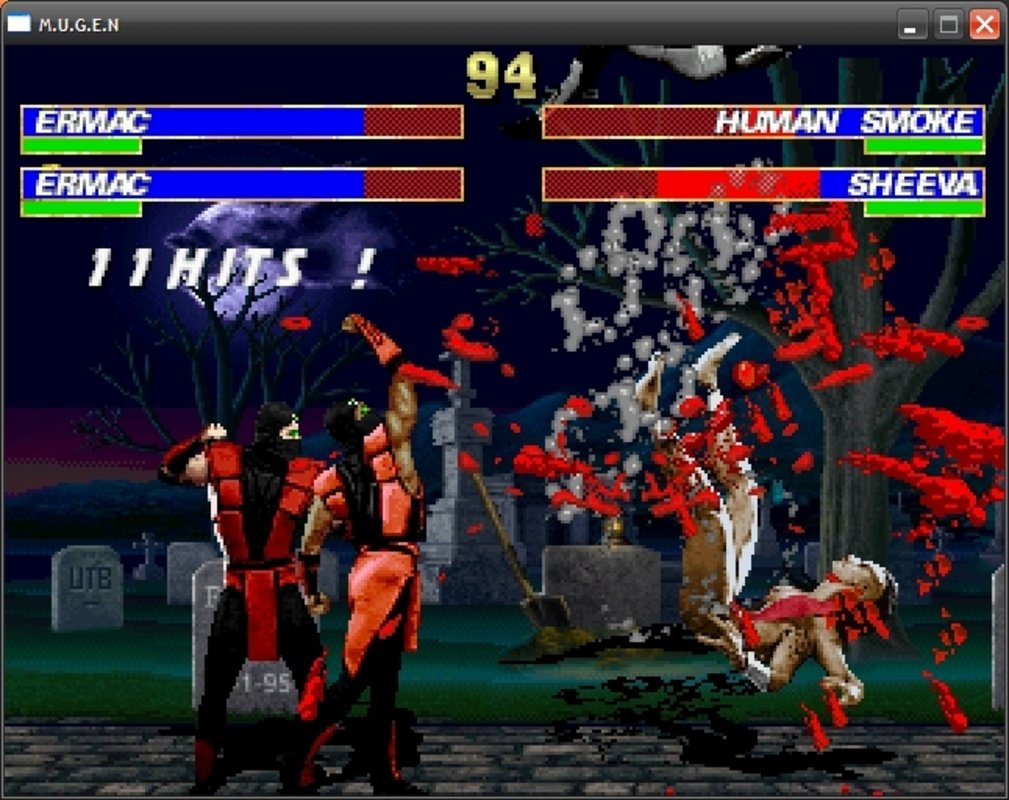
13. Mortal Kombat Project 4.1
The MK corner of the scene has one ancestor, and this is it. Mortal Kombat Project, from the MKP Team, rebuilt the classic arcade trilogy in MUGEN with fatalities for the whole cast. LaunchBox counts more than 50 playable characters. Version 4.1 became the standard build, the one copied, edited and reuploaded into a hundred descendants, and the lineage is still alive: a 2026 rebuild of the classic pack by Chino96 is cataloged on MugenDB. If you ever downloaded an MK fan game with a roster that made no sense, there is a good chance its family tree starts here.


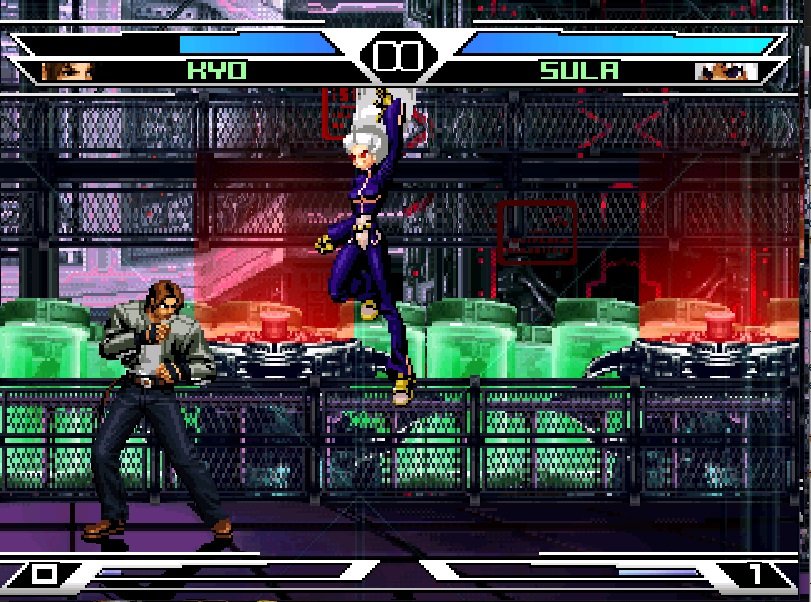
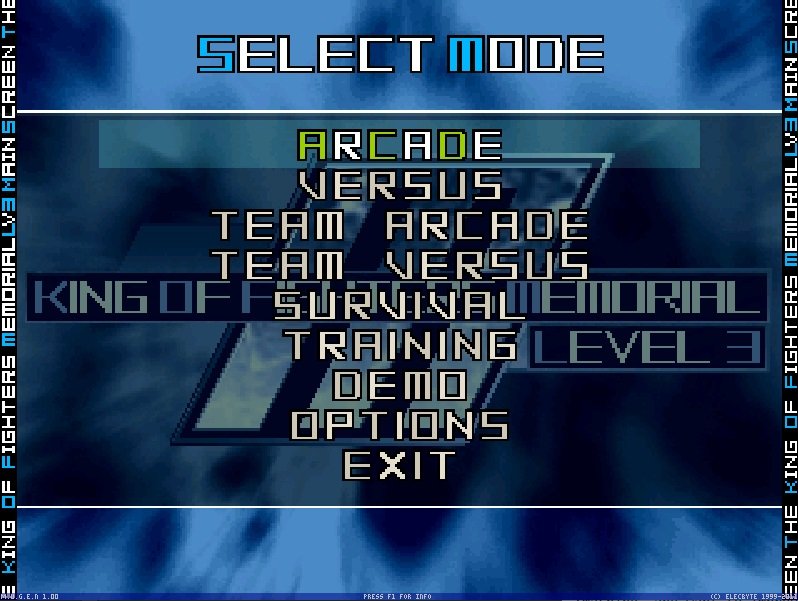
14. The King of Fighters Memorial
Argentinian creator Zelgadis built the KOF scene’s definitive full game, in Lv1 and Lv2 editions. Memorial packs in most of the King of Fighters cast, adds original characters of Zelgadis’ own, and does something almost nobody else on this list does: it ships as a locked executable, so the roster cannot just be ripped out and recycled into somebody else’s “new” game. That was a real war in this community. The originals are old enough now that Mugen Free For All hosts a Legacy Collection just to preserve them, which tells you how much this one mattered.


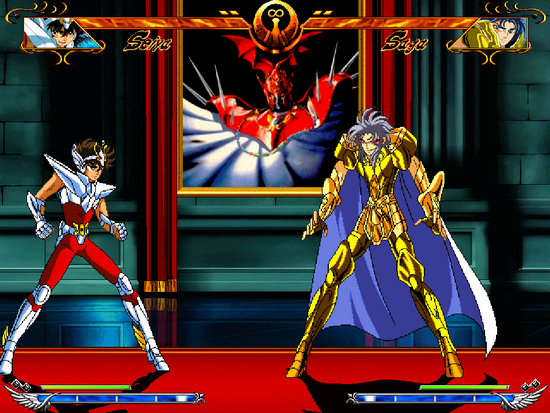
15. Saint Seiya Ultimate Cosmo
Two French brothers, Guillaume (Icare) and Emmanuel (Atlas) Troumelen, have been building the Saint Seiya fighting game Bandai never quite made since around 2009. Ultimate Cosmo is famous in the scene for its big, hand made, high resolution Saints, all original work instead of rips. The current 3.0 beta moved the project to Ikemen GO, and MugenDB lists 27 characters and 43 stages, with tag battles in and story and online modes in progress. Seventeen years on one fan game. Some studios do not keep a series alive that long.


16. Everything vs Everything
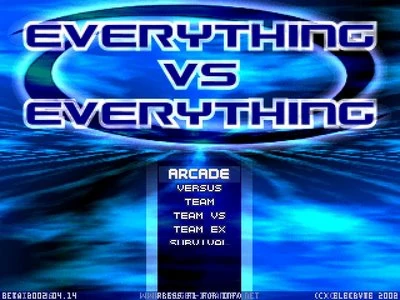
Image: DJ-VAN / MUGEN Database
Not a game, technically. Everything vs Everything, EvE for short, is a screenpack by DJ-VAN, and it is the reason the screenshots that inspired this article exist. EvE’s select screen sorts your roster into categories and gives you room to fill them, and fans kept editing it to hold more and more, up to a 4,830 character slot edit that still circulates. Pair it with the default engine and your own character folders and you have the build it yourself version of everything on this list. The giant wall is not a game. The giant wall is a lifestyle choice with a menu skin.


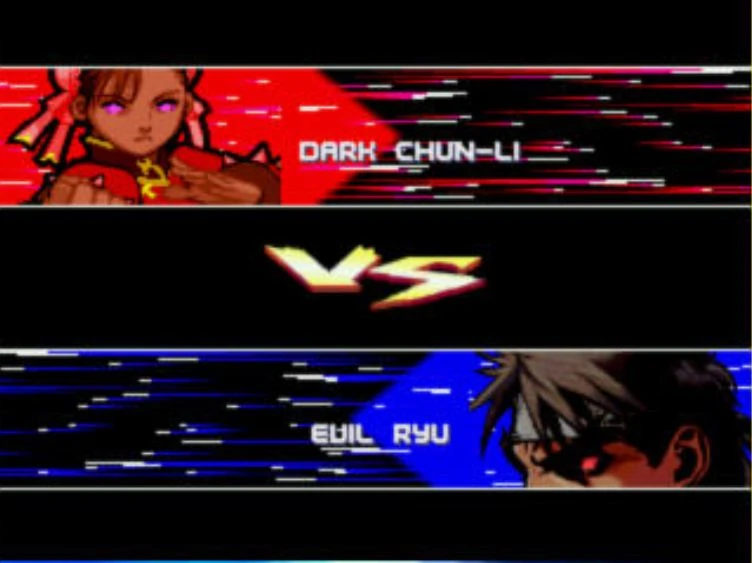
17. The Black Heart
The one that escaped. The Black Heart is a gothic horror fighter by Argentinian filmmaker Andrés Borghi, who spent seven years building it in MUGEN with completely original characters, six playable monsters plus the final boss, and his own story mode with Fatal Moves. It came out as freeware in 2009 and built a cult following. Then, in October 2021, it launched on Steam, rebuilt on the Ikemen GO engine, because Ikemen’s open source license allowed a commercial release and its characters belonged to Borghi himself. The MUGEN Database calls it the first MUGEN full game to reach Steam. Every other entry on this list lives in the gray zone. This one walked out of it legally, with receipts.


The stuff around the games
The scene lives in a handful of places. The MUGEN ARCHIVE, started in 2009 under the name The Chronicles of Mugen, is the big warehouse, with more than 50,000 creations hosted and a mission of archiving things before they vanish. The Mugen Fighters Guild is where the serious creators post releases, Mugen Free For All and New Age MUGEN round out the forum circuit, and these days Game Jolt, itch.io and YouTube do the rest.
YouTube deserves its own sentence, because the “900 characters” roster tour is a whole content genre: ten minutes of a cursor drifting across a select screen the size of a phone book, and people watch every second. The screenshots people share, the ones that look fake because no real game has that roster, come straight out of that pipeline.
Then there is Salty Bet, my favorite piece of MUGEN culture. Salty’s Dream Cast Casino launched on July 3, 2013 and it is still one of the strangest things on Twitch: a never ending stream of MUGEN matches where both fighters are controlled by the AI, and the audience bets fake money, Salty Bucks, on the outcome. One writeup counted more than 2,600 characters in its roster. The Museum of Modern Art’s Design and Violence project wrote it up in 2013, because of course it did. Betting fake money on whether a broken fan made Goku beats a Ronald McDonald with infinite health is the purest expression of what this engine is.
Why does all of this live on forums and APK sites instead of Steam? Because the legal ground is a swamp. The characters belong to Toei, Shueisha, Capcom, Marvel and everyone else, Elecbyte’s own license terms for the engine expired years ago according to The Fighters Generation, and nothing here could survive being sold. The scene survives because it is free, fan made and mostly ignored, tolerated as long as nobody charges money and the official games keep selling. The Black Heart is the exception that proves the rule: original characters plus an open source engine equals a Steam page.
And the scene today is not a museum. Ikemen GO keeps getting updates, Saint Seiya just migrated engines after seventeen years, the Jump Force packs keep growing, and preservation projects are busy rescuing the classics before the last MediaFire link dies. A free engine from 1999, abandoned twice by its own creators, is still producing new games in 2026. The select screen just keeps getting wider.
So tell me: what is the dream match you would build first? Naruto vs Goku is taken, I have seniority. Who are your two?
Sources
Wikipedia and The Fighters Generation on the M.U.G.E.N engine, Elecbyte, Salty Bet and the engine license history; New Age MUGEN’s beginner guide and NamuWiki for the engine timeline and the Ikemen GO succession; MUGEN Database (the community wiki) entries for Hyper Dragon Ball Z, Everything vs Everything, Fighter Factory, The Black Heart and the MUGEN ARCHIVE; Kotaku and PC Gamer coverage of Hyper Dragon Ball Z via the Mugen Fighters Guild; MugenDB full game listings for Jump Force Mugen V14, Anime Stardust Ultimate, Marvel vs. Capcom X 3.0, Eternity of Heroes, Mortal Kombat Project and Saint Seiya Ultimate Cosmo; the Anime Battle M.U.G.E.N page on itch.io by Asura; Game Jolt and LaunchBox listings for Mega Man: Robot Master Mayhem; the official Project X page at Infinity Mugen Team for X-Men: Second Coming; Mugen Free For All’s King of Fighters Memorial Legacy Collection and NamuWiki’s Memorial entry; AppBrain and the Google Play listing for Mugen Anime Fight; publish0x and MugenDB for Saint Seiya Ultimate Cosmo’s creators; Metacritic, MobyGames and Game Developer coverage of The Black Heart; MoMA’s Design and Violence project and Games and Culture (2024) on Salty Bet; MUGEN download communities including JF Mugen and Juegos de Mugen for the Naruto and Isekai builds, with roster numbers attributed to their makers.
The Checkpoint Poll
Leave a Reply