Every game in the catalog I just listed, XCOM 2, Alien: Isolation, Tomb Raider, Saints Row, came to your phone through the same door: a studio of about 120 people in Southfields, London, called Feral Interactive. Publishers with billion dollar back catalogs do not port those games to mobile. Feral does, under its own name, at full price. So who are they, how do the deals work, and is anybody else even doing this?
Mac porters first, for twenty years
Feral was founded in 1996 in London to bring games to the Mac, and for most of its life that is exactly what it did. The work was good enough to win real hardware: a BAFTA in 2006 for the Mac version of The Movies, and an Apple Design Award in 2012 for Deus Ex: Human Revolution on Mac. Linux ports started in 2014 with XCOM: Enemy Unknown. The partner list they work with reads like an industry directory: 2K, SEGA, Square Enix, Codemasters, Creative Assembly, Crystal Dynamics, Firaxis, Kalypso Media, IO Interactive, Warner Bros and more.
The mobile chapter opened in November 2016, when ROME: Total War landed on iPad. In a 2021 TouchArcade interview, Feral described that port as “very much a test of the viability of bringing AAA games to mobile.” GRID Autosport followed in 2017 as their first simultaneous iPhone and iPad release, Android joined in December 2018 with ROME again, and Nintendo Switch ports started in 2019. A decade after the test, the mobile catalog is 19 games deep and still shipping: Tomb Raider in February 2026, Lara Croft: Temple of Osiris in September, Saints Row: The Third Remastered in October.
How a publisher ends up hiring them

The model is licensing plus self-publishing, and you can read it in the store credits of any of their games. On Saints Row’s listing, the copyright stays with Deep Silver, the original developer credit stays with Volition, the remaster credit stays with Sperasoft, and then the line that matters: “Developed for and published on Android by Feral Interactive Ltd.” The publisher keeps its IP. Feral licenses the game, does the porting in-house, and sells it under Feral’s own name on the stores, carrying the storefront, the support and the updates.
Wikipedia describes the arrangement plainly: Feral “have partnered with publishers like Square Enix Europe, 2K Games, Sega Europe, Warner Bros. Interactive Entertainment and Codemasters to port and publish their games for platforms that the publishers themselves are not supporting.” That last clause is the whole business. These are platforms the owners will not touch, back catalog gold sitting in a vault. Feral knocks, licenses it, and does the unglamorous work.
How do they pick which games? Edwin Smith, a senior Feral employee, told MacGameStore: “The most important thing is liking the game. The licensing conversation can start in many different ways… we will only port games that we would be proud to put our name on.” And what impresses the big publishers, per the same interview, is the track record with previously licensed games. Every good port is the pitch for the next license. That flywheel is why the catalog keeps landing bigger names.
The craft rules they actually follow
Three rules come up again and again in their interviews, and you can feel all three in the games.
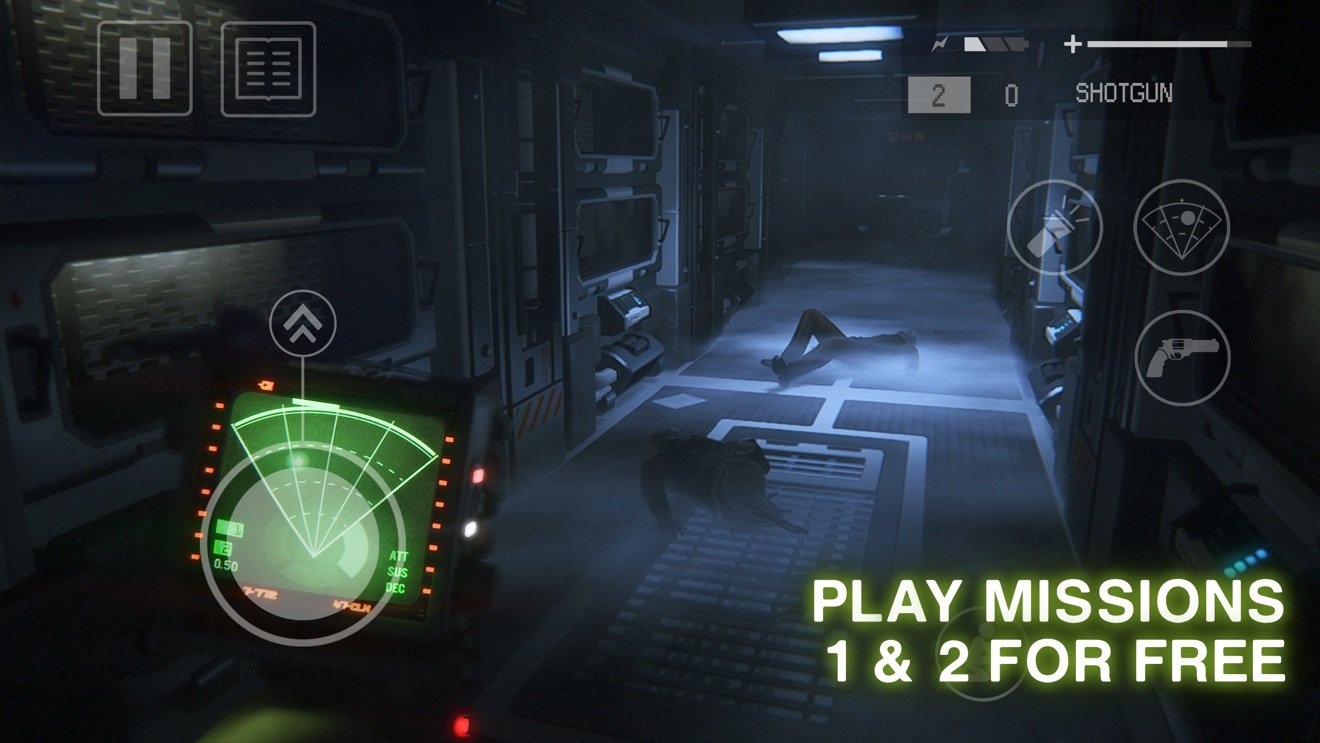
The interface is designed, not converted. From the TouchArcade interview: “The UX is paramount. The controls and interface need to be designed for a touch screen instead of simply being converted from desktop.” In ROME you draw the path your troops follow. In GRID the rev counter moved so your own hand would not cover it. In a December 2025 Reddit AMA, the team said roughly 70 to 75 percent of their players use touchscreen controls, about 20 percent a gamepad, and 4 percent keyboard and mouse, so the touch experience is the product, not an afterthought.
Every device gets tuned, and heat is a design rule. Games are “tuned per device to get the best possible balance of performance, visuals and battery life based on extensive testing,” per the same interview, and Feral publishes a tested device list for each release, blocking phones that cannot run a game properly from buying it. From the AMA: a phone has to sustain at least a 40 minute session in hot conditions without overheating or losing performance. No console port team on Earth has that constraint taped to the wall.
Nothing gets cut. The AMA put it in one sentence: “When we port these projects, our goal is for it to be Tomb Raider, not a ‘mobile version of Tomb Raider.’ No cut levels or modes, it’s the same game, just on a different device.” The team even described a deliberate difficulty ladder in their own catalog: Alien: Isolation taught them stealth, Hitman taught them dynamic scenes, and only then did they take on Tomb Raider’s full action. On an iPad Pro with the M4 chip, they say Tomb Raider’s quality mode passes the Switch 2 version, with a 120 fps mode on top.
And support is not a phase. “Long-term post-release support has always been integral to our approach: we view customer support as a marketing function,” they told TouchArcade, adding that they always plan to maintain their games with updates. In an industry that abandons mobile ports by the next quarter, a decade of updates is a statement.
So is anybody else doing this?
Short answer: not like this, and the honest long answer needs the counterexamples, because they exist.
Playdigious, in France, runs the closest model, licensing and porting other studios’ games under its own name, and Griffin Gaming Partners bought it in October 2025 for €10.5 million, calling it “the market leader in mobile adaptations of acclaimed indie PC titles.” Read that phrase again: indie. Dead Cells, Northgard, Subnautica. Great games, smaller scale. Nobody handed Playdigious a Saints Row.
Rockstar’s mobile GTAs were built by contractors working for one publisher on its own IP: War Drum Studios, later renamed Grove Street Games, made the original ports, and Video Games Deluxe built the Netflix era Definitive Edition versions. Published by Rockstar, owned by Rockstar, work for hire. When Rockstar ended the relationship in November 2024, the porter did not take the catalog anywhere, because the catalog was never theirs to carry.
Capcom and Kojima Productions ported their own games. Resident Evil Village and Death Stranding reached iPhone as first party showcases, developed by the original studios, iPhone 15 Pro class hardware only, no Android at all. Impressive, and the opposite business: a platform flex by the owner, not a licensing house serving every publisher.
So the precise claim holds up. Feral is the only dedicated third party that licenses AAA PC and console games from other publishers, ports them in house, and publishes the complete premium versions under its own name on both mobile stores, and it has done that continuously for ten years. Alone at scale is not marketing. It is a description.
Why the chair stays empty
The economics explain the empty room. Premium is a rounding error in mobile: AppMagic figures put premium at about 4 percent of mobile downloads against 96 percent free to play in 2025, and Sensor Tower found years ago that 92 percent of iOS releases were already free or free to play. The money in mobile is in gacha and ads, and everybody with a spreadsheet knows it.
Against that, a Feral style port stacks up costs most studios refuse on sight: a licensing negotiation, a ground up touch interface, per device tuning, thermal engineering, a tested device support operation, and years of updates, all to sell a game once for $10 to $20. Feral’s own pricing philosophy, from the TouchArcade interview, is almost stubborn about it: “whether that means the game is priced at $10 or at $30 is ultimately down to a judgement call on how many hours of great entertainment a game will deliver on average to each player.” Hours of entertainment per dollar, in 2026, as a pricing strategy. No wonder nobody is queuing up to compete with them.
My take: the catalog is the argument. Nineteen full games, a decade of updates, and a support page that treats your five year old phone like it matters. If the rest of the industry will not do this, and it will not, then the least the rest of us can do is notice the one studio that does.
Sources: Feral Interactive careers and news pages; Wikipedia’s Feral Interactive entry; TouchArcade interview, January 14, 2021; MacGameStore interview with Edwin Smith; Feral’s Reddit r/Games AMA recap, December 2025; Playdigious acquisition announcement, October 2025; Capcom press release, September 2023; Sensor Tower and AppMagic market data as cited. The companion catalog, with every port and its mobile review score, is on the site today as well.
The Checkpoint Poll
Leave a Reply