The card is everywhere this week: Lucia pointing a gun at Jason in the middle of a police standoff, huge letters underneath, “GTA 6 COULD MAKE YOUR ROMANTIC DECISIONS ACTUALLY MATTER DURING GAMEPLAY.” It has been shared an irresponsible number of times, including by people who should know better.
So let’s do this properly. The claim underneath that card is pointing at something real, and for once the real version is more interesting than the viral one. Rockstar has actually talked about this system, on the record, three separate times. The romance between Jason and Lucia is optional. It runs on a tracked scale. You can genuinely lose it. And the same developers who confirmed all of that also denied, in plain words, the exact thing that headline wants you to believe. Facts first, classified. Then my theory, built out of every one of those facts, because I have been thinking about the ending of this game for weeks.
Start with the picture, because the picture is fake
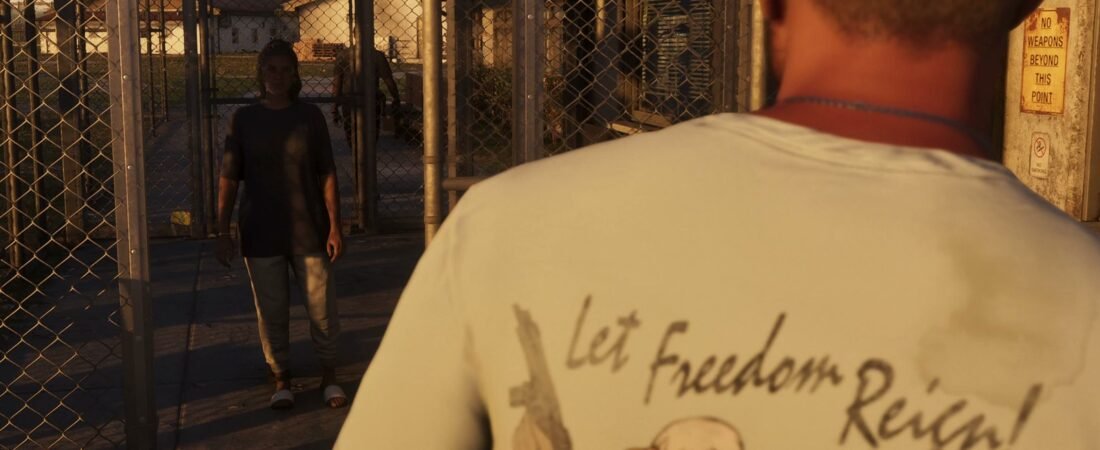
Look at the top right corner of that card. See the little sparkle mark? That is an AI generator watermark. Lucia’s face is not Lucia’s face, the woman standing between the cars is not a character in this game, and no trailer, screenshot, or preview has ever shown Lucia aiming a gun at Jason while the police close in. Somebody typed a prompt, got a dramatic image, and glued a half-true sentence to it.
I’m not even mad about the hustle. I’m mad about the waste, because the true story needs no invention. Everything below comes from people who sat in a room at Rockstar North, watched the game being played, and quoted the man running the studio.
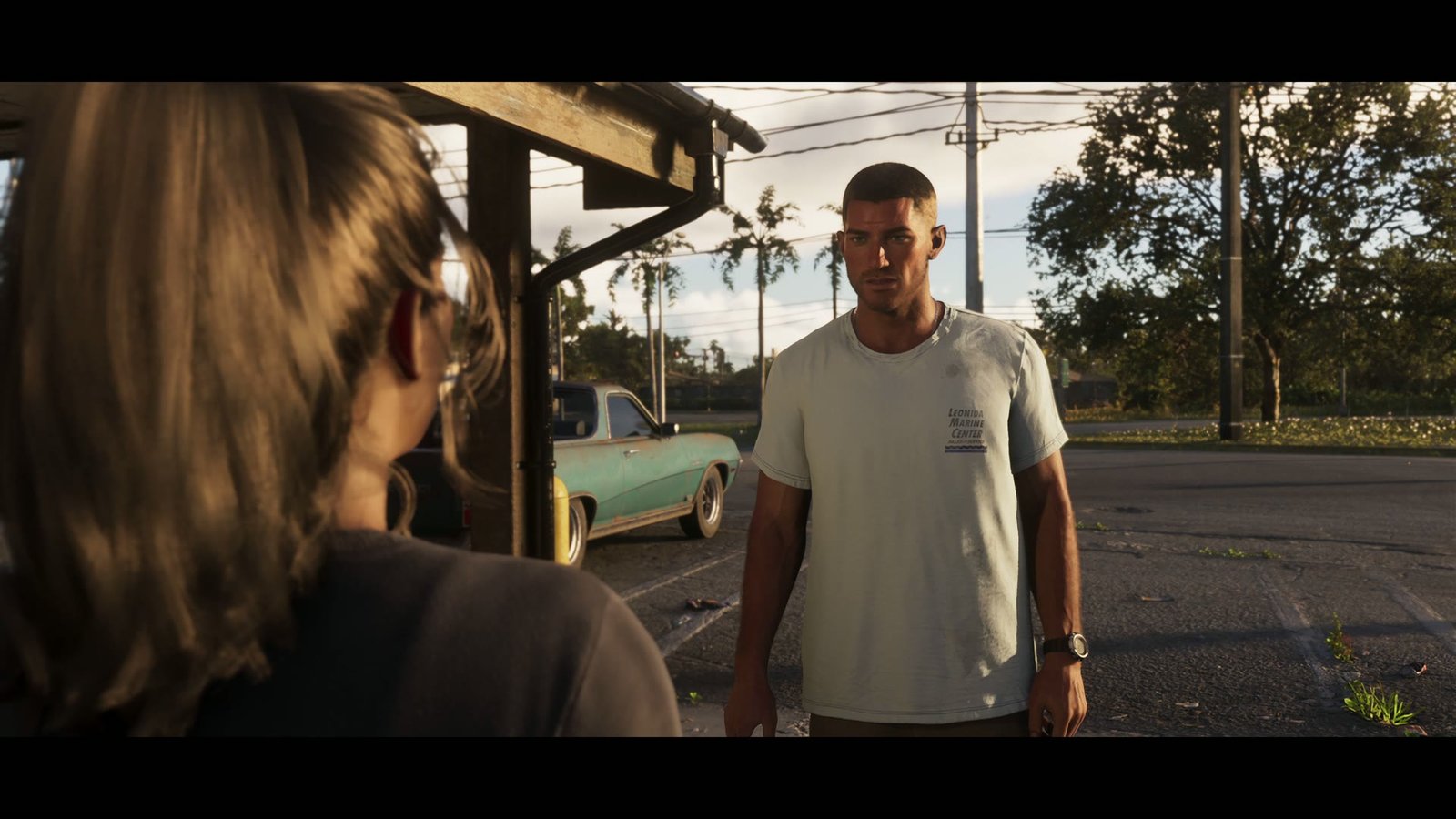
What is classified as true
Almost everything solid on this topic comes from one person: Rob Nelson, co-studio head of Rockstar North, speaking across three first-hand previews. IGN got the first version in August, when he played an extended slice of the game in front of them. Game Informer got the second in its cover story. Edge got the third in issue 430, in October. Different magazines, same system, no contradictions. Here is the shape of it.
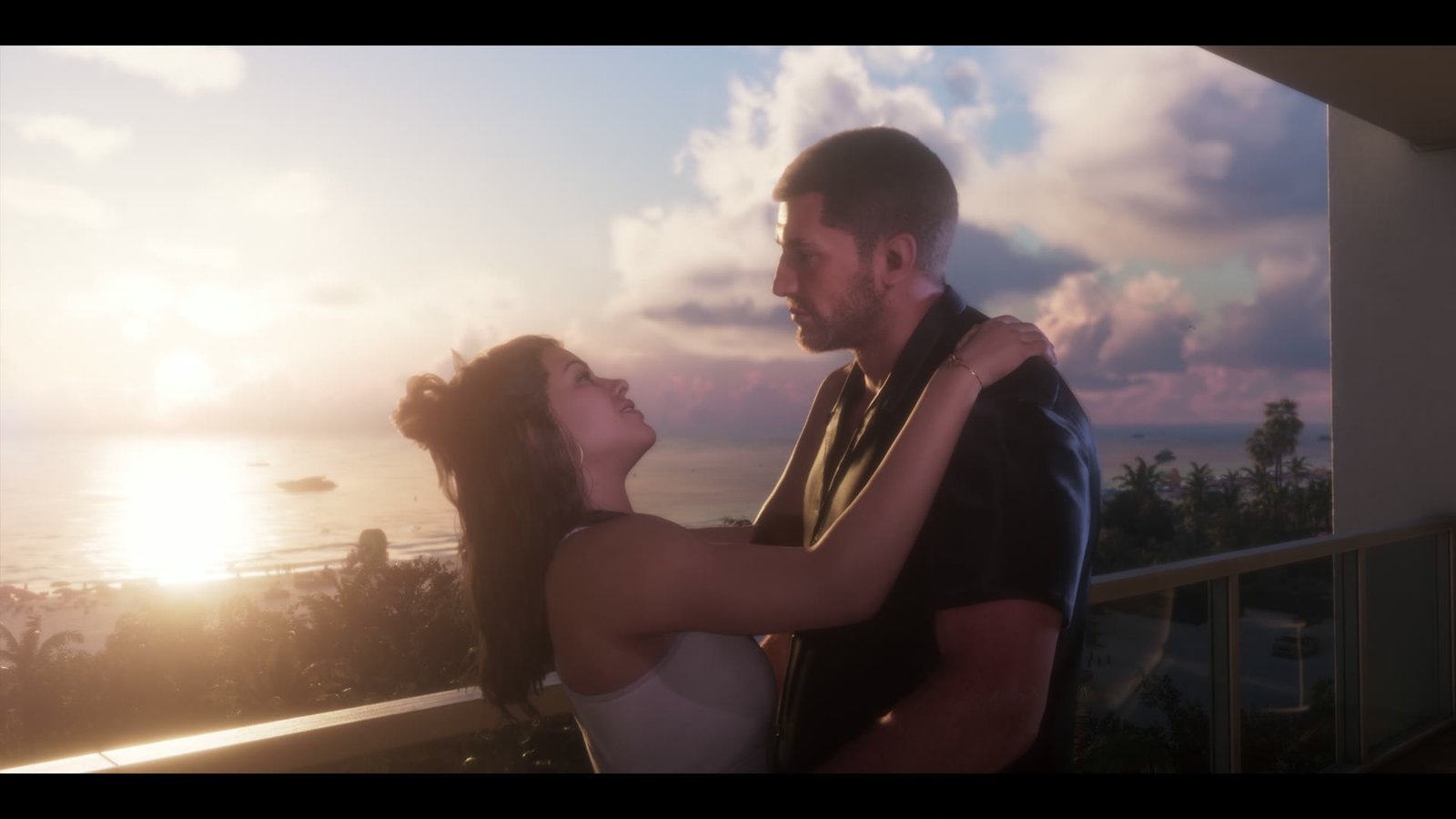
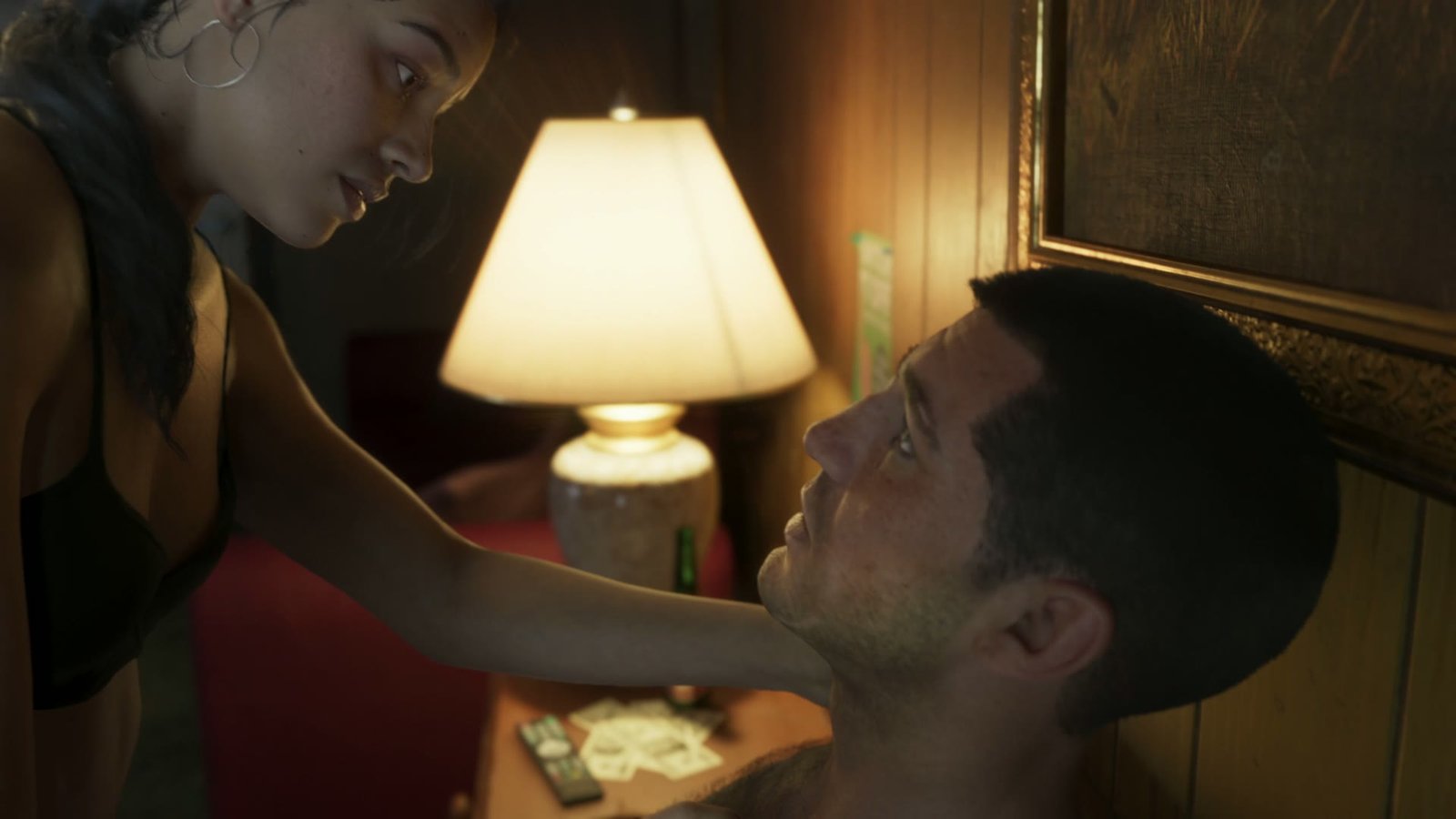
The romance is optional, and it starts loaded. Nelson’s words to Edge: “We start them wanting to be together, and wanting to give this relationship of theirs another shot. But, as the game progresses, it’s yours to keep or yours to lose.” The default state is two people trying again. That part is not a theory. What they become is on you.
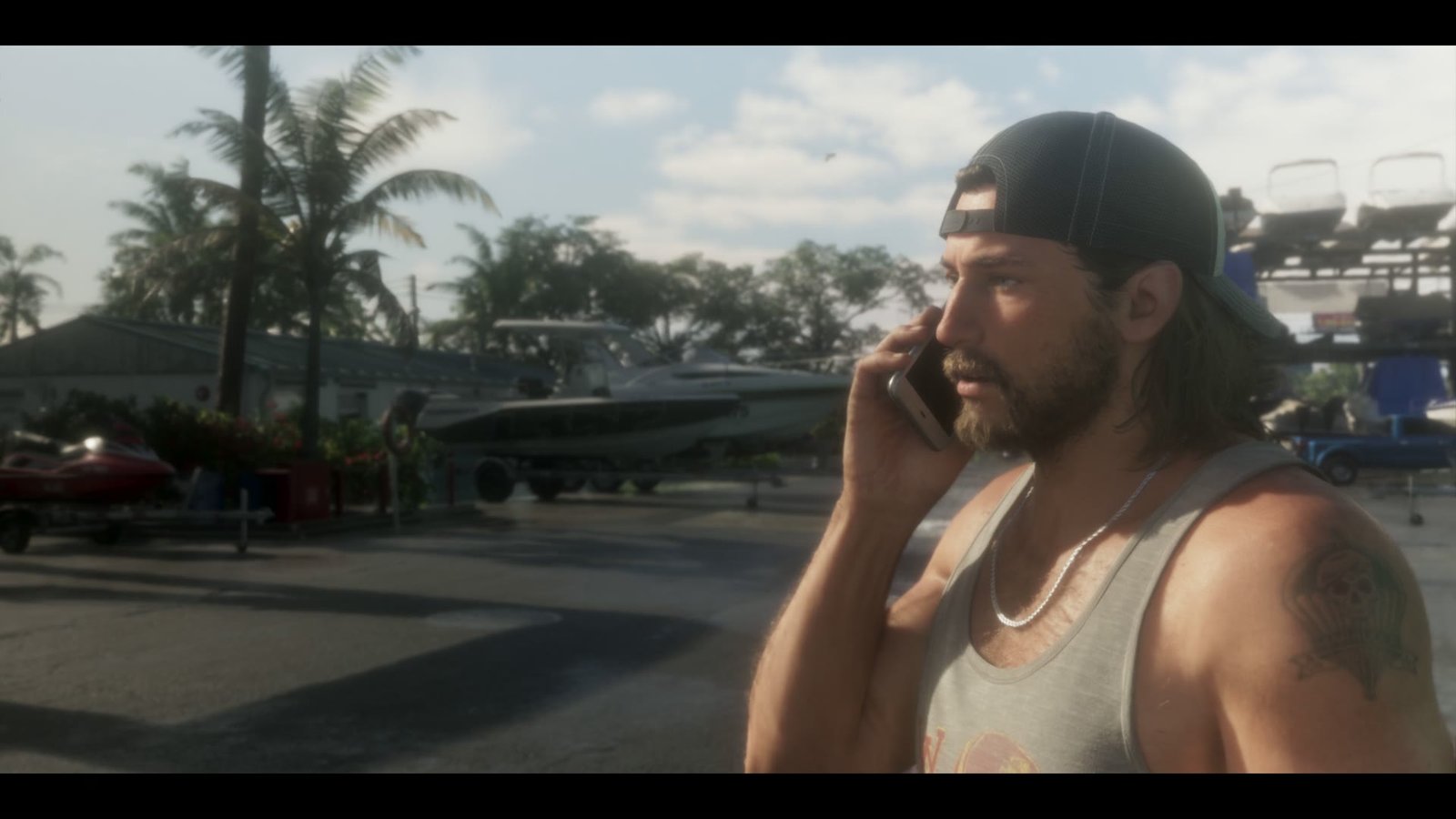
Underneath it sits a number. Edge describes the couple’s closeness as a four-point scale, and the scale usually rises with time spent together outside missions. The activities the previews name are gloriously un-GTA in the best way: walks on the beach, cycling, scuba diving, parachuting, kayaking, a trip to the zoo, studying animals, shopping, hair salons, working out at a gym once you buy the membership, or just driving around Leonida with one of them at the wheel and the other on their phone. And yes, this being GTA, robbing places together counts as quality time. You can hold hands with a pull of the right trigger. You can hold doors open for each other. Rockstar built tenderness into the same hands that hold the guns.
The system also has a quiet, nasty little maintenance mechanic, and it lives in the in-game phone. Spend a day out alone and the other one texts you: a reminder to lock up when you get home late, a note that they are heading to bed. Answering calls and texts promptly helps. Ignoring those messages can push the relationship backwards. The romance doesn’t just grow or stall. Neglected, it decays.
Two boundaries matter as much as the system itself. First, you can’t break them up. Edge is explicit: you can define how close and intimate they are, perhaps even its legal status, but “they cannot turn fully away from one another.” They are partners in crime for the whole story, whatever the temperature between them. Asked directly whether the two can get married, Nelson would neither confirm nor deny it. Hold that thought, it comes back in my theory.
Second boundary, and this is the one the viral card steps on: Rockstar has said, through IGN’s reporting, that there are no gameplay benefits to being in the relationship. No stat boost. No unlocked ability. No stronger Jason because Lucia loves him. Romance is a roleplaying and story decision, full stop. What it changes, per Game Informer, is the story itself: certain elements play out differently depending on which way the bond goes, decisions big and small can significantly alter the direction of the plot, and the game is designed to encourage multiple playthroughs.
One more confirmed piece, because it is the twin nobody talks about. Edge describes the relationship as one of two role-play systems in the game. The other is the Criminal Profile, which rates your behaviour from Professional to Irredeemable and which, in Rockstar’s own words, “will influence how Jason and Lucia’s story unfolds.” Two dials, one for how much they love each other, one for how far gone they are as criminals, both feeding the same story. Jason Schreier reported months ago that this story leans on Red Dead Redemption 2 rather than GTA 5, prestige television rather than a joke reel, and Edge says the theme underneath everything is getting out of crime, selfishness against selflessness, the Arthur Morgan inheritance. Now you have every fact I am allowed to build on.
What nobody has confirmed, so stop sharing it as fact
Marriage is unconfirmed. Nelson refusing to deny it is not a yes, whatever the fan pages say. The heart-shaped icon people have spotted in material around the game is unexplained; Rockstar has never said what it measures. Nobody credible has confirmed that closeness unlocks missions, changes skills, or rewrites the ending in any specific way anyone can describe. And there’s no co-op. You switch between the two of them yourself. The couple is a single-player performance, which is honestly the loneliest sentence I’ve ever typed about a love story.
Edge’s writer, Simon Parkin, also planted a caveat that deserves more respect than it gets: the role-play systems, while they have consequences, operate “within a relatively narrow band of possibility.” Rockstar built one story with elastic edges, not five different games. Whatever the romance changes, it changes inside a frame.
My theory, using every fact on the table
Everything from here is my read, labeled as such, and I’m staking it on the facts above and nothing else.
The ending is where the two dials cash out. Rockstar did not build a four-point closeness scale and a Professional-to-Irredeemable criminal scale as decoration, and it did not hire the RDR2 emotional playbook to waste it. My call: the final act of this game exists in variants, and the variant you get is a product of both dials at once. Top of the closeness scale and a Professional profile buys the cleanest version of the dream, two people who did the jobs right and kept each other. Bottom of the closeness scale with an Irredeemable profile buys the coldest one, partners in paperwork only, rich and finished. The narrow band caveat tells me the destinations rhyme: same broad ending architecture, different scenes, different dialogue, different final shots, a different temperature in the room. Rockstar is not shipping four endings. It is shipping one ending that remembers how you lived.
The phone is the real game master. Think about what the text mechanic actually does: it taxes absence. Nelson already admitted the main story path does not give the couple enough time together, which means the romance runs on a budget of your free hours, and the phone fines you for spending them wrong. My theory is that decay is the design’s teeth. A player who speedruns the story does not just miss the romance, he actively lands the distant ending, and Rockstar engineered it that way on purpose. The game is going to make a generation of players feel guilty about an unread text from a fictional girlfriend, and I respect the cruelty.
Marriage is in the game. “Perhaps even its legal status” is a strange phrase to let into an interview if the answer is a flat no, and Nelson’s neither-confirm-nor-deny is the oldest tell in this industry. My specific call: some formal commitment beat, a wedding or the Leonida equivalent of making it official, sits at the top of the closeness scale late in the story, and most players will never see it because most players will not do the maintenance. It will be a YouTube event within a week of launch. Possibly , because I intend to be one of the weirdos who maxes the scale on the first run.
The heart icon is the scale wearing a face. Four points, one icon, and a game that loves diegetic UI. I think the heart is how the game whispers the current state to you without a menu, in the phone or around the character switch, and the four fill states of that icon are the four points Edge described. If I’m right, the first thing dataminers and guide writers will do is map exactly which activities fill it fastest, and beach walks are about to become a speedrun category.
And the gameplay effect Rockstar denied is not the one they built. No stats move, agreed, but Nelson also said having the pair together changes the feel of play: getting into trouble together, running from police together, one waiting in the car for the other. Feel is behavior. My theory: closeness tunes how the other protagonist behaves around you. High closeness, warmer barks, more patience, better backup instincts, the getaway switch Edge described flowing like a dance. Low closeness, colder lines, separate routines at the safehouses, a partner who does the job and nothing extra. Nothing on the stat screen changes. Everything on the screen changes.
Last one, and it is the business model hiding inside the love story. Game Informer said the game is built for multiple playthroughs. Two binary-feeling dials, each with extremes, is a replay matrix: the lovers run, the strictly-business run, the professional run, the irredeemable run. Rockstar turned a relationship into the reason a story game gets finished twice. That is not a dating system. That’s retention design wearing a wedding ring, and it’s brilliant.
The question everybody asks next: treat them badly and do the missions get harder?
Short answer: no, and this one isn’t even my theory. It follows from what Rockstar already confirmed. If a strong romance gives you no stat boost and no unlocked ability, a weak one cannot quietly tax your damage or your health either, because that is the same coin flipped over. Nelson was also clear that in the main missions the two back each other up no matter how tense things get between them. The campaign is built to be beaten at any temperature. No developer on Earth ships a story you can soft-lock by being a bad boyfriend.
Think about the ancestor. Red Dead Redemption 2’s honor system changed prices, reactions, whole scenes and the temperature of Arthur’s ending, but a low-honor Arthur shot exactly as straight as a saint. Rockstar keeps aiming its morality systems at the story and the world, never at the difficulty slider, and everything Nelson described puts the closeness scale in that same family.
My sincere opinion, with the receipts on the table: Rockstar made the smarter choice here, and it’s not close. A difficulty penalty would have turned the romance into homework with a gun to its head, one more meter to babysit. Instead the punishment for neglecting these two is narrative. Reach the big beats at the bottom of the scale and you get the colder cut of the story: colder lines in the car, a partner who does the job and offers nothing extra, a safehouse that feels like a waiting room. You don’t get a harder game. You get a lonelier one. For a series that sells power, making the player feel emotionally short-changed is the boldest difficulty setting of all, and I think it is going to land harder than any stat penalty would have.
The one zone the facts cannot close is free roam. Inside scripted missions, loyalty is guaranteed by design. Outside them, when you are out causing problems and the police are coming, Nelson’s own list of what togetherness changes, getting into trouble, running, waiting in the car, sounds a lot like free play. If a neglected partner is slower to arrive, colder on the phone, or quicker to leave you holding the bag in the open world, nobody outside Rockstar knows yet. That’s the first experiment I want to run on November 19, because it’s the one place treating them badly might make your life harder in practice instead of just in cutscenes.
What I am doing on November 19
I’m testing all of it, because testing this game’s claims is literally this site’s job description. First run: I romance properly. Beach walks, gym membership, texts answered like a man who fears consequences. Then I want a second save where I ignore every message Lucia sends for a week of in-game days and we watch the four points bleed out in real time. If the theory about behavior is right, you will see the temperature drop before any guide on Earth documents it.
So tell me your plan before the game makes the choice for you. First playthrough: are you keeping the romance alive on purpose, or is it strictly business between Jason and Lucia until the credits roll?
Sources
IGN hands-on preview at Rockstar North with Rob Nelson (August 2026), including the romance system’s optional structure, the text-message mechanic and the absence of gameplay benefits, as reported by IGN and summarized by TheGamer and The GTA Zone. Game Informer cover story on GTA 6 (relationship as lovers or friends, decisions altering the story, multiple playthroughs), via Wccftech. Edge issue 430, “yours to keep or yours to lose,” the four-point closeness scale, the Criminal Profile, and the narrow band caveat (Simon Parkin, October 29, 2026), published free on GamesRadar+. Rob Nelson’s named relationship activities via Read Dork’s summary of the IGN interview. Jason Schreier’s reporting on the story’s Red Dead Redemption 2 leanings, via Bloomberg.
The Checkpoint Poll
Leave a Reply