By Ruan Martini, Daily Checkpoint
A 77 that sold like a 90
Six weeks ago, Marvel’s Wolverine launched on PS5 and produced the strangest split I have seen around a PlayStation exclusive in years. Critics gave Insomniac Games its softest Marvel reception ever. Players responded by making it the best-selling game in the United States for September, ahead of NBA 2K27 and EA Sports FC 27, in a month stuffed with new releases. Both of those things are true at the same time, which is exactly why this game deserves a calmer second look now that the launch week shouting has died down.
I skipped the day one discourse on purpose. Launch week rewards the loudest take, and this game collected loud takes like they were collectibles. Now the patches have landed, the sales charts have printed, and we can talk about the actual product: what Insomniac promised, what shipped, what reviewers really said once you read past the scores, and where the game sits in the PS5 lineup with a certain November 19-shaped asteroid heading for all of us.
What Insomniac actually built
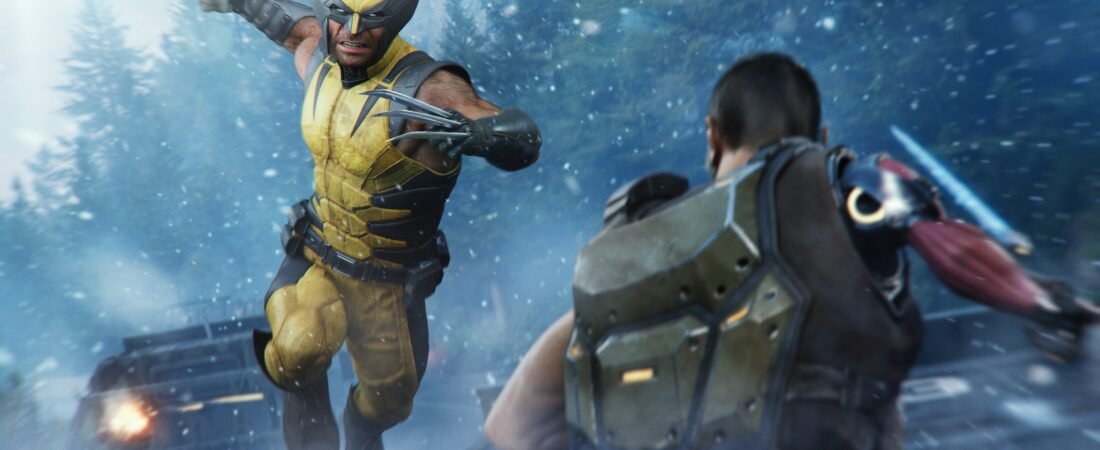
Start with the expectations, because half the launch arguments came from people reviewing a game that was never announced. PlayStation’s official page for Marvel’s Wolverine carries an FAQ, and one line in it settles the biggest misconception: this is “a single-player, narrative-driven action-adventure game” and “it is not set in an open world.” No New York to swing across. No map full of icons begging for your attention. Insomniac said it plainly before launch, and the shipped game is a mission-based, linear run through set locations, closer in spirit to a very expensive action movie than to the Spider-Man sandbox.
The story is original, built with Marvel Games. Logan walked out on his old unit three years before the game opens, and he gets pulled back into Team X when industrialist Bolivar Trask starts kidnapping mutants. Trask’s private army, the Reavers, does the dirty work, and Omega Red shows up to make everything worse in person. The official synopsis sends the fight through the frosted Canadian wilderness, the narrow streets of Tokyo, and the Hightown and Lowtown districts of Madripoor. Reviewers who finished it put the campaign at roughly 12 to 15 hours (IGN’s review describes a 15-hour campaign), which makes it a tight weekend or two, not a lifestyle.
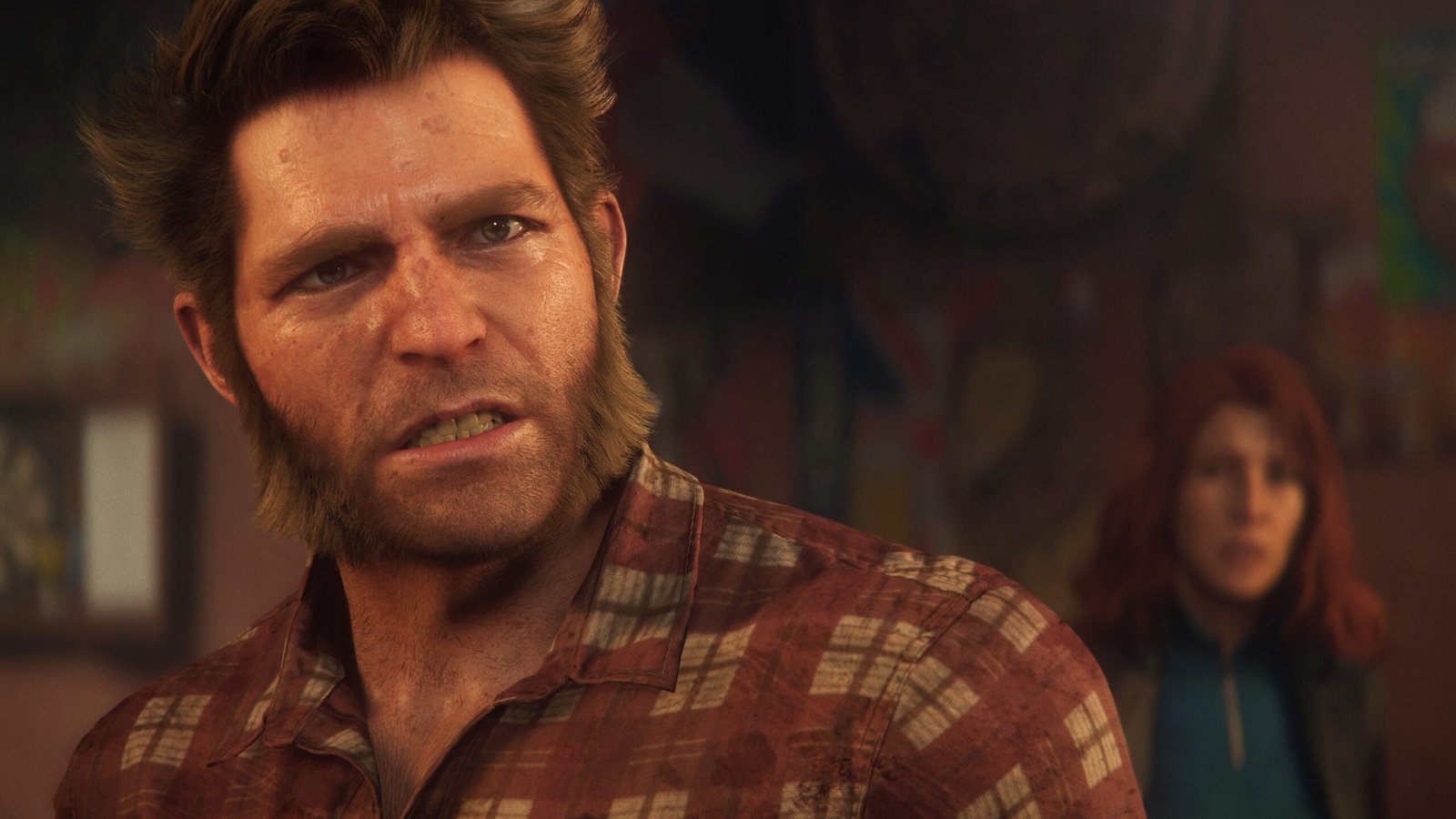
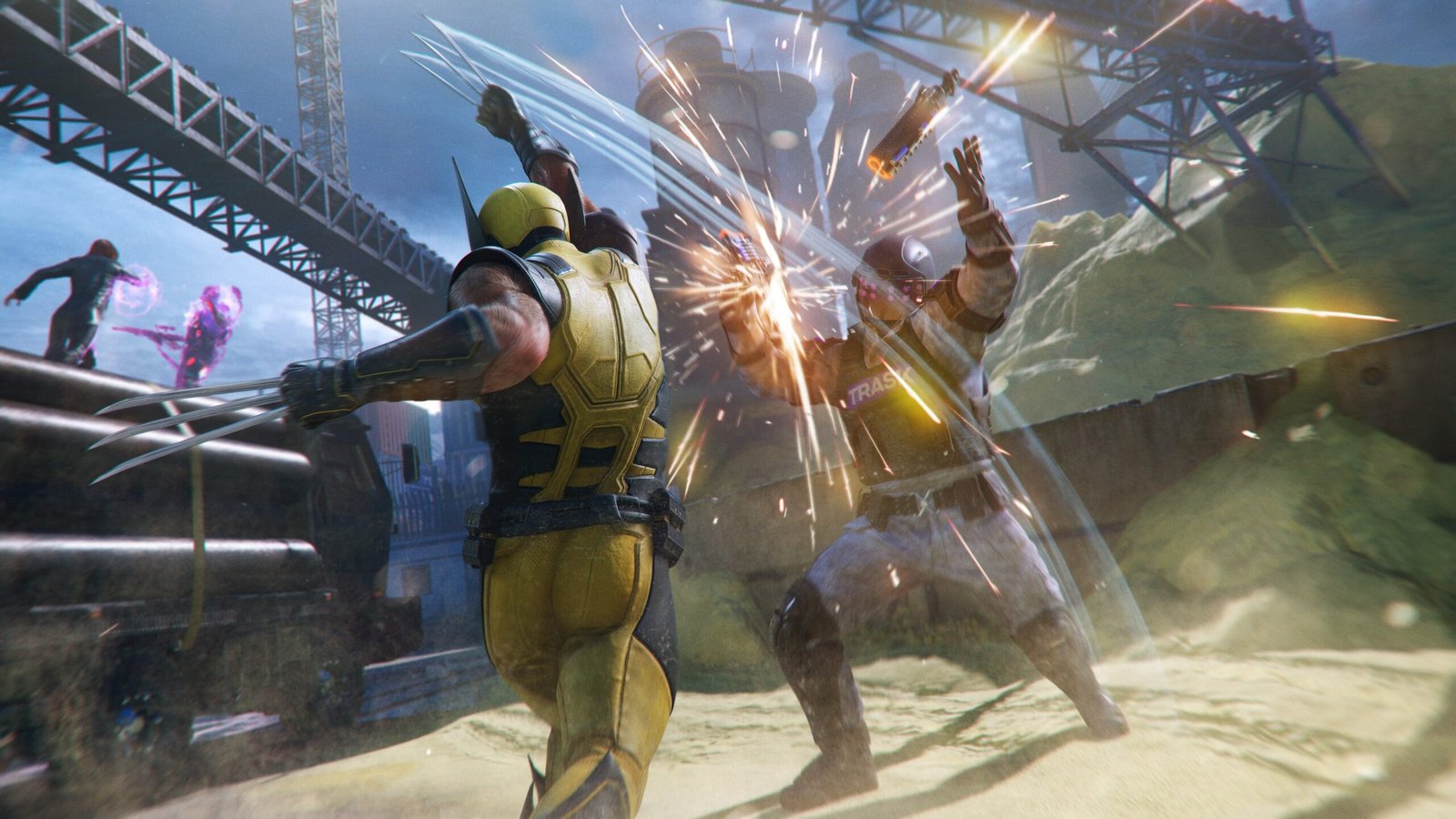
Under the hood it is pure Insomniac craft. Combat is built around claw combos, swappable Techniques and Adaptations you unlock as you go, and a Rage meter that builds as you fight aggressively and turns Logan into a blender with a grudge. There are difficulty settings, accessibility options reviewers praised, photo mode, and a presentation layer (cinematics, character models, lighting) that basically nobody criticized. It launched September 15, 2026, PS5 only, built from the ground up for the console with no PS4 version, at $69.99 for the Standard Edition and $79.99 for a Digital Deluxe that mostly adds suits, claw variants and technique points. PS5 Pro owners got enhanced PSSR support from day one, per PlayStation.
So the promise was specific: a focused, brutal, story-first Wolverine game from the studio that made superhero games feel premium. Did they deliver that exact thing? Mostly, yes. Whether that exact thing is enough is where the fight started.
What the critics loved, and what wore them out
The review embargo lifted September 10, and the aggregate settled at 77 on Metacritic across more than 110 critic reviews, with OpenCritic sitting around 79 and roughly three quarters of critics recommending it at launch. Context matters here: Marvel’s Spider-Man scored 87, Miles Morales 85, and Spider-Man 2 90. Kotaku pointed out that 77 made Wolverine the lowest-scored PlayStation Studios release of the entire PS5 era, below even Sackboy. That headline wrote itself, and it followed the game around for weeks.
Read the individual reviews, though, and a more interesting picture shows up. The agreement is almost total on the strengths. The visuals and cinematics got praised everywhere. Liam McIntyre’s performance as Logan drew specific love, including from The Guardian, a review that was otherwise rough on the game. Push Square gave it an 8 out of 10 and called it “an intentional and linear superhuman title that revels in its gory, intense combat system,” praising the location variety and character performances. Game Informer went 8.5 and called the linear approach “a refreshing throwback.” Destructoid and TheSixthAxis also landed on 8. When the combat is fresh, in the first hours, nearly every reviewer describes the same feeling: fast, heavy, disgustingly satisfying.
Then the other camp. IGN and GameSpot both scored it 6 out of 10. Eurogamer and GamesRadar+ landed in the same territory, and Giant Bomb went lowest among the big outlets at 5 out of 10. IGN’s verdict line is the one that kept getting quoted, because it is fair and it stings: the game is “built of sturdy stuff,” but the action “wears thin well before the conclusion,” the level design “plays it safe,” and the campaign ends up “carried by its story.” The recurring criticisms stack up consistently across the 6s: the combat shows its full hand early and adds too little, the mission design feels dated and restrictive (invisible walls got name-checked more than once), and the story, while carried by strong performances, did not land emotionally for a lot of reviewers. Push Square, even at an 8, called the story “quite dull.” When your fans and your critics agree the plot wobbles, the plot wobbles.
My honest read of the spread: this was not a quality collapse. Nobody called it broken, ugly, or unfinished. It is a polished 7-to-8 game that got judged against a studio standard of 87 to 90, and the gap between “good” and “Insomniac good” is where all the disappointment lived.
The players answered a different question
While reviewers were shrugging politely, the audience was doing something else entirely. It was REPORTED by Upcomer, citing PlayStation Store data tracked by iXBT Games, that players rated the game 4.85 out of 5 on the store in the launch window, with 92 percent of more than 15,000 voters giving it full marks. Store ratings are self-selecting, sure, people who buy a Wolverine game on day one tend to like Wolverine. Still, that is not the profile of a game the public rejected.
The sales are the harder evidence. Circana’s September report, shared by analyst Mat Piscatella and covered by GameSpot, Polygon and GamesBeat, put Marvel’s Wolverine at number one in US full-game dollar sales for September 2026, despite launching halfway through the month. It posted the highest launch-month dollar sales for a Sony-published game since Helldivers 2 in February 2024, and it debuted at number 11 on the year-to-date chart. Circana also had PS5 hardware dollar sales up 43 percent year over year in September, with Wolverine as the headline act. Third-party estimates for unit sales (REPORTED figures from Ampere Analysis, cited by Polygon, put it around 2.16 million copies in September, while Alinea Analytics estimated roughly 1.9 million in the first three days) are estimates, not official numbers, and I am labeling them that way on purpose. Sony itself has not announced a unit total, and until it does, anyone giving you an exact worldwide number is guessing with confidence.
Why did it sell through a 77? My theory, and I will own it as theory: Wolverine is a character people have wanted in a big solo game for a very long time, the trailers sold the fantasy perfectly (short, violent, no homework), and a 12-to-15-hour linear game is an easy yes for adults with jobs in a year full of 80-hour commitments. A 77 from critics reads as “flawed” in a headline and as “perfectly fine, it’s Wolverine” at the checkout. Both readings happened, in that order, and the second one had a credit card attached.
The scent trail saga, or how a patch became the story
No post-launch section on this game is complete without the blue fog. Logan’s enhanced senses render scent trails and audio cues in the world to guide you, and at launch those trails were bright, permanent, and everywhere. Players nicknamed them within hours, reviewers flagged the hand-holding as part of the “game plays itself” criticism, and the mechanic became the single most mocked thing about the release. I have some sympathy for the designers (a tracker character needs a tracking system), but a neon blue highway through every level was never going to survive contact with the internet.
To Insomniac’s credit, the response was fast and it kept going. A hotfix (version 1.001.005) arrived September 19, four days after launch, reducing the opacity of the scent trails and the audio indicators and fixing crashes affecting a small percentage of players, with the studio saying it was evaluating ways to improve the senses system. Then an October update (version 1.002.001, released October 6) added the thing players actually asked for: a toggle, bound to a Hint button, that lets you switch story-related scent trails off entirely, with separate controls for the collectible cues. PlayStation’s own page also notes the game has since been patched to use QSSR, a new performance tier of its AI upscaling, improving image detail and stability on the base PS5. That is a real post-launch arc: listen, patch, patch again, hand over the controls. Plenty of bigger studios could take notes.
One more piece of context hangs over the game’s future, and I will label it exactly as it deserves: it is REPORTED, from documents that surfaced in the 2023 Insomniac ransomware leak and were covered again by outlets at launch, that the Sony and Marvel licensing deal allegedly includes a target of six million copies in the first year. Neither Sony nor Marvel has confirmed that clause publicly. If anything close to it is real, the September start gives the game a plausible road, especially with the holidays coming, and it explains why everyone is watching the legs on this one so closely.
Where it stands now, with November 19 coming
So here is Wolverine, six weeks in: patched, discounted nowhere yet, sitting on top of the September chart, and holding a weird little title as the most argued-about “fine” game of the year. No story DLC has been announced. Insomniac’s support pattern suggests the updates will continue, and the player base it built in September is the kind that shows up for expansions if any come.
The community around it has not gone quiet either, which matters for a single-player game with no live service hooks. PlayStation Blog has kept a steady drip of Share of the Week features built from player photo mode shots (suits one week, allies and villains the next, a whole round dedicated to Logan close-ups), and Sony published an official photo mode guide, the kind of support you give a game whose players are still showing it off. The collectible suits and claw variants give the completionists something to chase, the higher difficulties are there for the combat sickos, and a linear game with this level of presentation tends to age into a comfortable recommendation every time it goes on sale. None of that guarantees a long tail, but the ingredients for one are sitting right there.
The calendar is the real test now. Call of Duty: Modern Warfare 4 took the October oxygen, and on November 19, GTA 6 lands and rearranges the entire industry around itself for months. Every PS5 game released this fall is about to find out what it is worth once Leonida opens. Wolverine actually has one quiet advantage in that storm: it is finished. It is a complete, self-contained, 15-hour story you can roll credits on before launch night, which is more than most of the fall slate can say. If you were waiting for the discourse to settle before spending $70, it has settled. The game is good, occasionally great in the hands, thinner than it should be in the back half, and absolutely nothing like the disaster the worst headlines implied.
Critics grade on the curve of what a studio has done before. Players grade on whether the fantasy delivered. Wolverine split those two grades wider than any PS5 exclusive I can remember, and that gap is the most interesting thing about it. Tell me in the comments which grade you trust more, because I keep going back and forth, and I have finished the game.
Sources
- PlayStation, official Marvel’s Wolverine game page and FAQ (launch date, “not set in an open world,” story synopsis, editions, PS5 Pro PSSR, QSSR post-launch patch note): playstation.com/en-us/games/marvels-wolverine/
- PlayStation Blog, Marvel’s Wolverine coverage, including the Photo Mode guide and developer features: blog.playstation.com
- Metacritic aggregate (77, 110+ critic reviews) and OpenCritic aggregate (around 79 at launch), as tracked by review roundups from The Shortcut and Upcomer
- IGN, Marvel’s Wolverine review (6/10, Simon Cardy): ign.com
- Push Square, Marvel’s Wolverine review (8/10, Liam Croft): pushsquare.com
- Game Informer, Marvel’s Wolverine review (8.5/10): gameinformer.com
- The Guardian, Marvel’s Wolverine review (Keith Stuart): theguardian.com
- Kotaku, on Wolverine as the lowest-scored PlayStation Studios game of the PS5 era, and on the September Circana report: kotaku.com
- Circana September 2026 US sales data (Mat Piscatella), as covered by GameSpot, Polygon and GamesBeat (number one in dollar sales, best Sony launch month since Helldivers 2, PS5 hardware up 43 percent)
- Upcomer, on the PlayStation Store player rating (4.85 out of 5, iXBT Games data): upcomer.com
- Polygon, citing Ampere Analysis estimates (around 2.16 million copies in September): polygon.com
- GameRant and mxdwn, on the post-launch updates 1.001.005 (September 19) and 1.002.001 (October 6, scent trail toggle): gamerant.com, games.mxdwn.com
The Checkpoint Poll
Leave a Reply