Last year, the RAM for a normal gaming PC cost about what I spend on a good dinner out. This year it costs a car payment. Nobody stole it at gunpoint. They did something quieter, and I have the receipts.
By Ruan Martini, Daily Checkpoint. November 4, 2026.
Let me tell you about a number that has been living in my head rent free. A mainstream 32GB DDR5 kit, the boring two stick kit that goes into basically every gaming PC build on the internet, averaged about $108 in the United States in August 2025. That is PCPartPicker data, tracked by Tom’s Hardware. One year later, August 2026, the same class of kit averaged $572. Not a typo. Five hundred and seventy two dollars, for the part of the computer nobody has ever bragged about at a barbecue. Tom’s Guide went shopping separately and found 32GB kits sitting around $500, up from around $400 in early April, so whichever shop window you look through, the story is the same story.
My own PC runs 32GB of RAM, next to an i9-9900K and an RTX 5070, and I have been sketching upgrade plans and a second machine for running local AI experiments. Every time I open a parts list, that one memory line looks back at me like it pays rent. So I did what I always do. I went and found out who took it. Because the memory did not evaporate. It went somewhere. Somebody is using your RAM right now, and it is not you.
First, the Receipts
Memory prices live in two worlds, and you need to know which one a number comes from before it scares you. There are contract prices, what the manufacturers charge the big buyers every quarter, and there are shelf prices, what you and I pay at retail. Contracts move first and move hardest. The shelf follows, a little later and a little softer. Anyone who throws a huge percentage at you without saying which world it lives in is selling you something. Here is what TrendForce, the firm that tracks this market quarter by quarter, actually recorded.
Mid 2025, the squeeze starts quietly at the cheap end. DDR4, the older memory standard, gets its end of life notices, and its price starts climbing before the AI wave even peaks. The 32GB DDR5 kit is sitting at about $108, minding its own business.
October 2025, the wave arrives with paperwork. OpenAI signs letters of intent with Samsung and SK hynix to supply memory for its Stargate data centers. SK Group puts the projected demand at up to 900,000 DRAM wafers a month. To make that number hurt properly: that is as much as roughly 40 percent of the entire world’s DRAM output, for one customer’s project, an estimate that comes via TechInsights. By that same month, SK hynix’s entire 2026 production is reported sold out. Reported, note. That is the company’s position as covered in the press, and nobody in the market has behaved since like it was a bluff.
Q1 2026, the floor moves. Conventional DRAM contract prices jump 93 to 98 percent in a single quarter. TrendForce had forecast 55 to 60 percent and had to come back and revise it upward, which tells you even the professionals were not ready. PC DRAM more than doubled in three months.
Q2 2026, it climbs again, another 58 to 63 percent in the quarter. Q3 2026, the increases slow down, which in 2026 counts as mercy: DRAM contracts up 13 to 18 percent, NAND flash, the stuff inside your SSD, up 10 to 15 percent. Micron’s own quarterly results agreed with the picture, DRAM prices up in the high teens, NAND up about 30 percent. And Q4 2026 is a forecast, not a print, so I will label it the way it deserves: TrendForce expects DRAM up another 10 to 15 percent, NAND up 15 to 20 percent, and enterprise SSD contracts up 23 to 28 percent, the one category still speeding up while the others slow down.
Compound those quarters properly, because percentages like these multiply, they do not stack like pancakes, and you land at contract prices for conventional DRAM at roughly five times their mid 2025 level by late 2026. Retail did not multiply by five. It did something almost as rude: it took a $108 kit to $572. And here is the detail that explains how this whole market works. According to TrendForce, the actual shortage of memory bits in 2026 ran at about 1 to 2 percent. One to two percent short. That is the whole deficit. Memory is a market balanced on a knife edge, and when supply comes up 2 percent short while the richest companies in history are panic buying years in advance, the price does not rise 2 percent. It rises until somebody blinks. Nobody blinked.
So Who Took It?
Three companies make roughly nine tenths of all the DRAM on Earth: Samsung, SK hynix and Micron. If those three sneeze, every PC, phone and console on the planet catches it. In 2025, all three looked at the same spreadsheet and made the same completely rational, completely brutal decision.
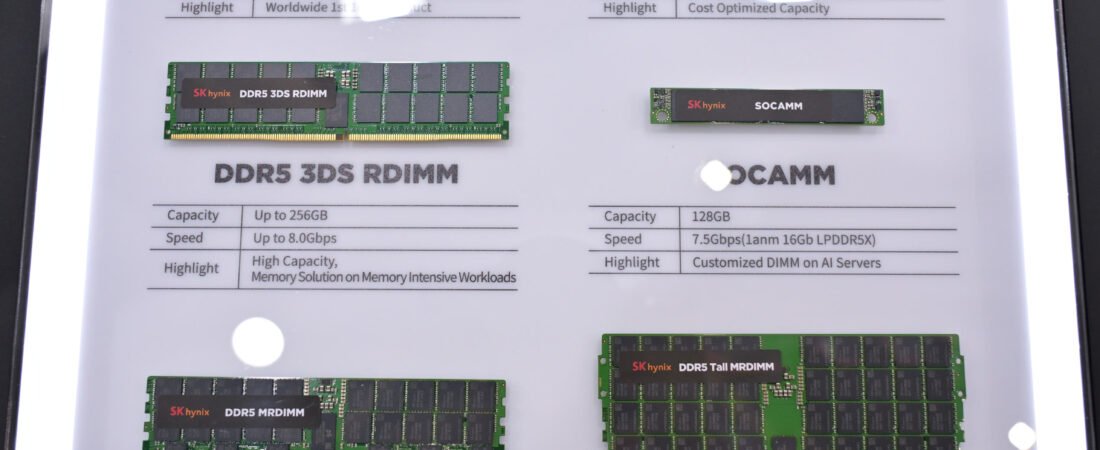
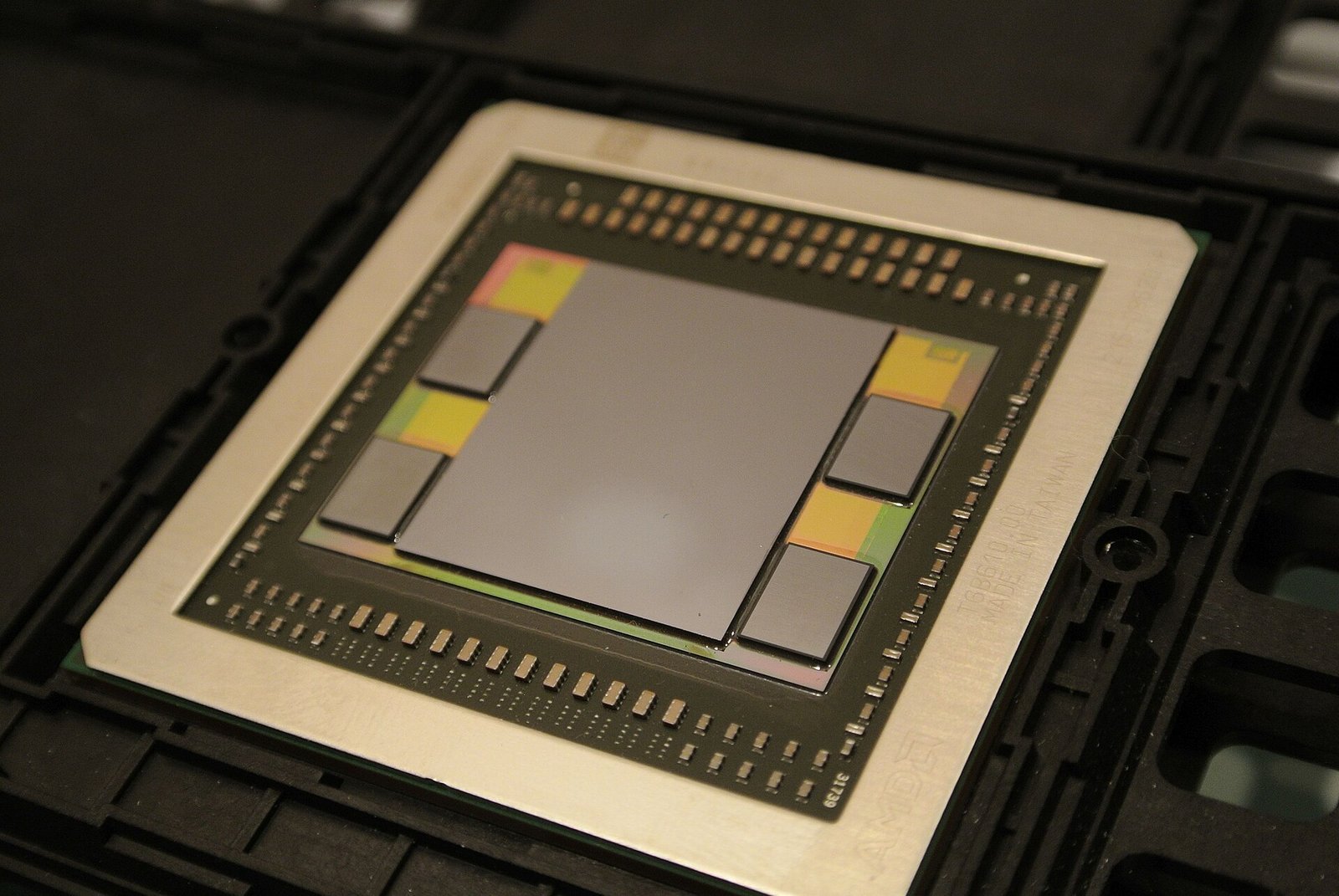
The money in memory is not in your gaming PC anymore. The money is in HBM, high bandwidth memory, the stacked memory that sits right next to the AI accelerators inside data centers, and in server DDR5. A server memory module earns something like four and a half times more per gigabyte than a desktop module on spot markets. So the big three did what any of us would do with a factory and a mortgage: they pointed their best wafer capacity at the customer paying several times more for it. That customer is the AI buildout. Industry reporting now puts the share of all memory chips flowing into data centers at around 70 percent. Understand what that means for you. Your gaming PC is not competing with other gamers for RAM. It is competing with the largest infrastructure buildout in human history, and it is losing on price before it even gets to the register.
There is a second twist, and this is the one that makes me angriest as a consumer, because it is structural and nobody voted on it. The giant buyers, the cloud companies, sign long term agreements that protect their prices. TrendForce has been warning that as this cycle grinds on, the increases fall harder and harder on the buyers without that protection: the smaller PC brands, the little OEMs, and at the very end of the line, you, standing in the retail aisle with a parts list. The home PC builder is the buyer of last resort in this market. We are the shock absorber. We pay the panic price so that a data center somewhere never has to feel a thing.

The Part Where They Say It Out Loud
I could get outraged on my own, but I do not have to, because the people running this market have been kind enough to describe it themselves, on the record, into microphones.
In October, on the Cheeky Pint podcast, OpenAI CEO Sam Altman looked at the DRAM sitting inside personal computers, yours and mine, and argued it is basically wasted there, used, by his number, about 5 percent of the time, while data centers could be putting it to work. “I think the invisible hand is failing right now,” he said. Now, I want to be fair to the man, because he is not wrong about the idling. My car also sits parked about 95 percent of the time, Sam. I still need it on Tuesday morning. There is a special flavor of honesty in a man telling millions of PC owners that their memory would be better off inside his data center, and saying it like it is a favor he is offering us.
Epic Games CEO Tim Sweeney, a man whose business needs you to own gaming hardware, said to expect a “continual supply crisis for all gaming-relevant hardware” for about three years, with RAM and storage prices “quadrupling, and not necessarily stopping there.” Three years. From the guy who runs one of the biggest game stores on PC.
And Micron CEO Sanjay Mehrotra, one of the three people who actually make the stuff, stood in front of his own investors in September and told them supply and demand will be “much tighter in calendar 2027 and 2028 than they were in 2026.” Read that one again, slowly. Not tight. Tighter. Tighter than the year the $108 kit became a $572 kit.
Meanwhile, the smaller memory makers over in Taiwan, Nanya and Winbond, are posting record revenues. Nanya’s September revenue was up 576.6 percent year over year. Somebody is having a wonderful crisis. It is just not anybody who buys memory. It is everybody who sells it.
What This Does to Your Wallet
If you build PCs: RAM is now the line item that eats your budget alive, and storage is standing right behind it with a fork. NAND flash has roughly doubled since late 2025. A 1 terabit TLC chip went from about $4.80 in July 2025 to about $10.70. A 2TB NVMe drive that cost $120 to $150 now costs $300 to $480, and average NVMe street prices are up around 115 percent, that is Gamers Nexus data tracked by Tech Insider. And the graphics card does not rescue the build either: NVIDIA shipped no new gaming GPU in 2026 and reportedly cut supply to its board partners by up to 20 percent, and one price tracker had an RTX 5070 at around $860 this September and an RTX 5090 above $6,500. Treat those street numbers as a snapshot from one tracker, not gospel, but nobody sensible argues with the direction. The whole PC got taxed, and memory collected the tax.
If you play on console: you have already paid this bill, maybe without ever seeing the line item. Sony raised PS5 prices in April. The Digital model went from $399.99 to $599.99, the disc model from $499.99 to $649.99, and the Pro from $699.99 to $899.99. Microsoft raised the Xbox Series X from $499.99 to $799.99 in August, said openly that its memory and storage costs are up more than 2.5 times since its last increase, expects another doubling by fall 2027, and quietly discontinued the 2TB model because the storage math stopped working. Nintendo moved the Switch 2 to $499.99 in September. Consoles are supposed to get cheaper as they age. That is the deal, it has been the deal for forty years. These machines got more expensive with age, which has basically never happened before, and Circana’s numbers show the damage: US hardware unit sales hit their lowest August since 2013, just 559,000 units, while the average price people paid set records. People did not stop loving games this year. They looked at the price tag and did math. GTA 6 launches on November 19 into the most expensive console market in history, through no fault of its own. It was born into a memory shortage.
If you buy phones: same story, quieter voice. Wafer supply is being steered away from mobile too, and TrendForce flagged smartphone brands pushing back hard in their late 2026 contract negotiations. Nothing here is signed and settled, so I will frame it the honest way: the pressure is real and reported, and the likely outcomes are 2027 phones that cost more, phones that quietly ship with less RAM than expected, or both at once. Watch the spec sheets next year. If a flagship shows up with less memory than its older brother, you will know exactly why, and it will not be because the engineers got lazy.
Buy Now or Wait? My Honest Answer
Everybody asks me this, so here is the answer the data supports, not the answer that feels good in the group chat.
Do not wait around for a 2027 price crash. There is not one single major forecaster predicting one. The honest range for next year is price rises slowing down, or prices sitting on an ugly plateau at the top. If you need memory to finish a build or save an upgrade, the least bad move is to buy capacity once: get your 32GB, skip the premium for the fastest kit on the shelf, and be done with it. Raw speed is a luxury tax right now. Capacity is the thing you actually feel every day. If you are still on DDR4, do not treat it as a hiding place, because it got squeezed first, back in 2025. And if you genuinely can wait, wait for information instead of miracles: the next TrendForce quarterly print lands around the turn of the year, and it will tell us whether early 2027 is another climb or the first page of the plateau.
What I would not do is panic buy a drawer full of RAM sticks like they are canned food before a storm. You are not a data center. Buy what your machine needs, at the best price you can find on the day you need it, and then go play something on it. That is what the machine is for.
Where This Goes Next
The forecasts all rhyme, and not in a fun way. TrendForce expects the supply gap to widen in 2027, not shrink. The 2027 production allocations are reportedly already sold out. TrendForce also raised its outlook for the AI side of the shelf, with HBM prices expected to jump another 121 percent year over year in 2027, a forecast, again, not a print, but it tells you the grip is not loosening. The new factories being built today take three to five years to reach real volume, and the meaningful ramp from them only starts in the second half of 2027. The earliest anyone serious will say the word relief is 2028, and even then, relief means new supply finally arriving at scale. Nobody, anywhere, on any date, is forecasting a return to 2025 prices. The $108 kit is not scheduled to come back. I checked. Twice. I did not enjoy checking.
There is one wildcard, and its name is CXMT, the Chinese memory maker whose chips have started appearing in retail kits. A Lexar DDR5 kit built on Chinese DRAM was listed in China at about $592, which tells you two things at once: the chips exist, and they are not rescuing anybody’s wallet yet. Analysts doubt CXMT can rebalance the world market before 2027 at the very earliest. A wildcard, then. Not a cavalry.
So that is where your memory went. It went into the walls of the AI boom, one wafer at a time, sold out years in advance to the richest buyers in history, while the rest of us got handed the bill and a podcast explanation about how our RAM was being wasted anyway. I am keeping my 32GB. I am playing on what I have. And on November 19 I will be in Leonida with everybody else, on hardware I already own, which suddenly feels like the smartest purchase I ever made.
Tell me where you landed on this one: did you bite the bullet and pay 2026 prices for a build or an upgrade, or are you riding your current machine until the factories catch up? I am reading every answer. And if you found a kit at a price that did not hurt, I genuinely want to know your secret, because the rest of us are out here doing math at the checkout like it is a boss fight.
Sources
TrendForce quarterly DRAM and NAND contract price reporting, Q1 2026 through Q3 2026 prints and the Q4 2026 forecast, including the sufficiency ratio and the 2027 HBM outlook, via Guru3D and Sayer News summaries of the TrendForce releases.
PCPartPicker average US kit prices via Tom’s Hardware, as compiled by the RAM Index shortage explainer: 32GB DDR5 6000 kit, August 2025 versus August 2026. Tom’s Guide retail checks for 32GB kit pricing through 2026.
ComputingForGeeks: quarter by quarter conventional DRAM contract price table and the 2027 outlook.
Moneywise: Sam Altman’s Cheeky Pint podcast comments, and the Stargate wafer demand figures from SK Group via TechInsights.
AllThings.How: Tim Sweeney’s comments on the gaming hardware supply crisis. Micron fiscal Q4 2026 results and CEO Sanjay Mehrotra’s investor remarks, September 30, 2026.
Tech Insider SSD price tracker, using Gamers Nexus data, for NAND and NVMe pricing. TweakTown, on Circana data, for console pricing and US hardware sales. Pandromeda, 2026 RAM buying guide, for buy now or wait context.