Latest posts
-
Celeste: A Mountain That Forgives You for Falling
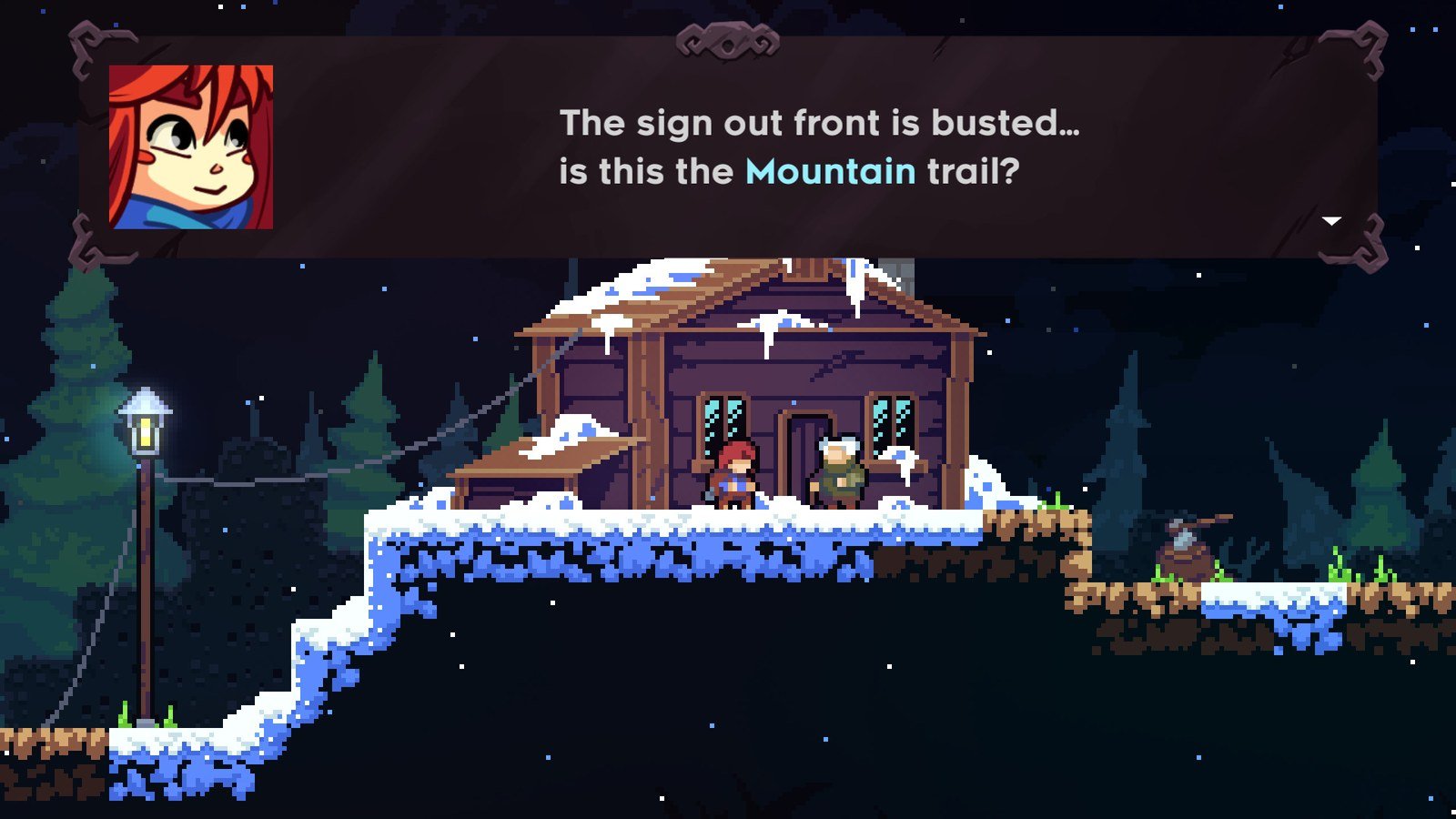
Precision platformers are usually built like exams: one mistake, back to the start of the question, and the game quietly keeping score of your failures. Celeste is built like a climbing partner. It is every bit as hard as the genre gets, and it is engineered, at the level of invisible frame windows and restart…
-
Undertale: The RPG That Lets You Spare Everyone, and Remembers Everything

Every RPG trains the same reflex: something jumps out of the dark, so you kill it, take its experience points, and move on richer. Undertale is the game that looked at that reflex and built an entire moral engine out of it, one where the experience points are an accusation, mercy is a combat verb,…
-
Dead Cells: Permadeath With a Bank Account

Permadeath is the roguelike’s oldest threat: die, and everything you earned dies with you. Dead Cells kept the threat and then did something sly with it. It gave the player a bank account with armed guards: a currency that only becomes safe if you survive long enough to spend it, in a game whose hero…
-
Cuphead: Two Brothers Bet Their Houses on a Cartoon

Most indie gambles are about time. Cuphead’s was about real estate: two Canadian brothers remortgaged their houses to finish a game drawn the way cartoons were drawn in 1934, frame by frame, on paper, with the mistakes left in. The ninth entry in my indie analysis series is the boss rush that treated authenticity as…
-
Balatro: Poker Hands, Slot Machine Math, One Anonymous Canadian
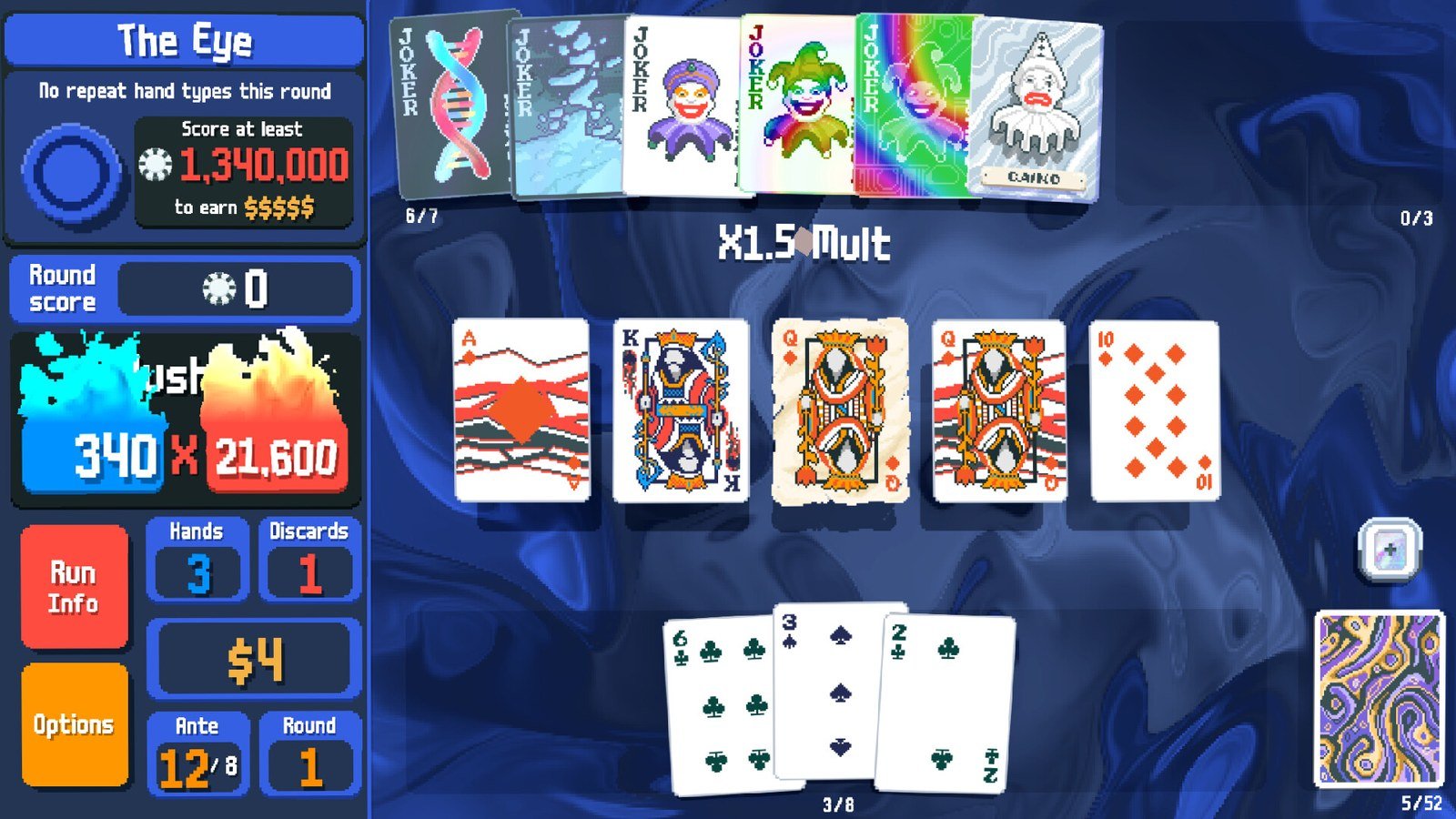
A solo developer in Saskatchewan quit his job to finish a game he intended to put on his résumé. He does not play poker. A year later that game had sold five million copies, been nominated for Game of the Year at The Game Awards, and taught millions of people to say “Chips times Mult”…
-
Vampire Survivors: The £1,100 Game That Removed the Attack Button
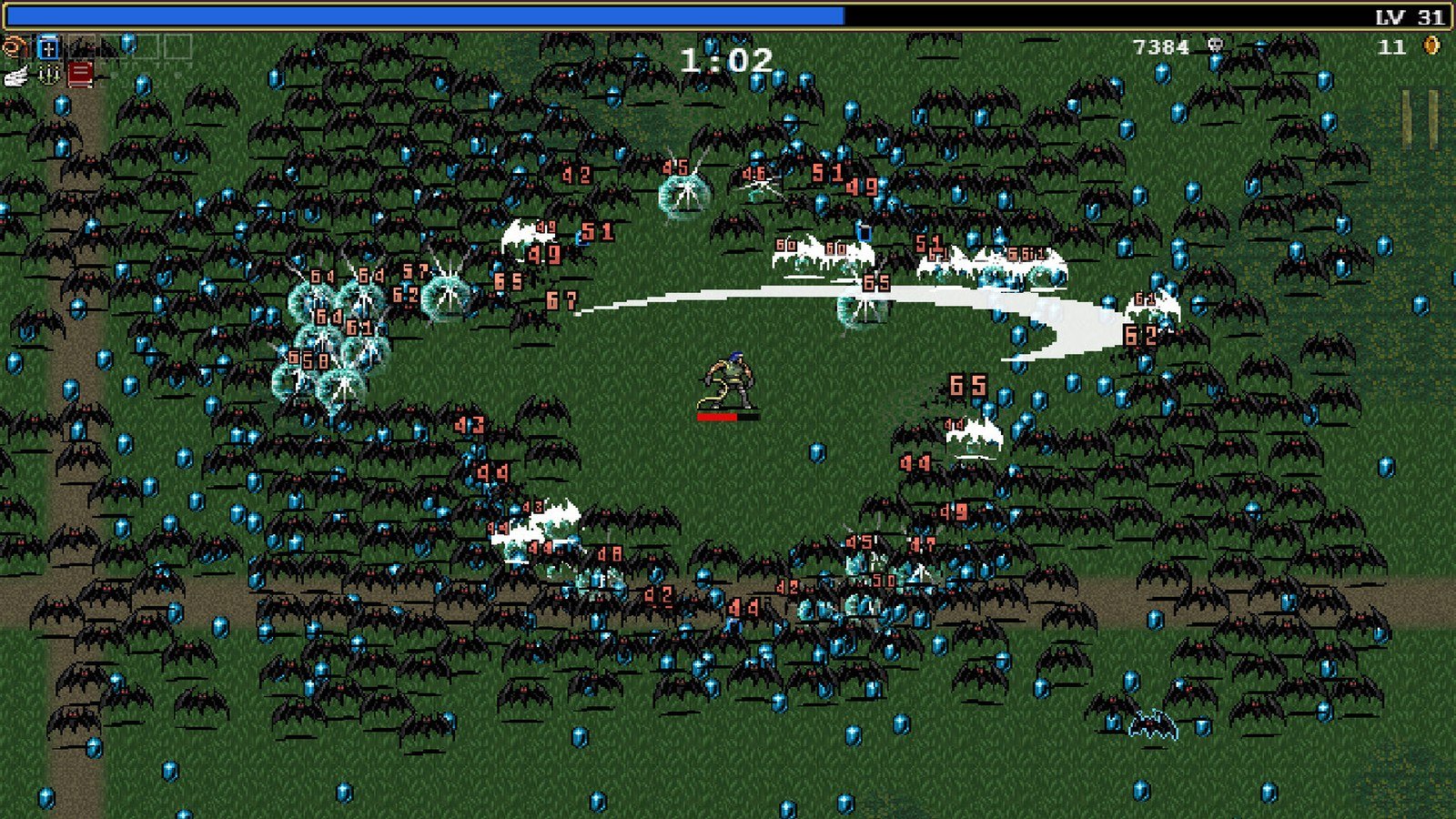
Game design usually advances by addition: more verbs, more systems, more buttons. Vampire Survivors advanced by subtraction. It deleted aiming, deleted attacking, deleted almost everything except walking, and became the most imitated indie design of the decade. The eleventh entry in my indie analysis series is the $4.99 game an unemployed Italian developer built for…
-
Slay the Spire: The Game That Showed You the Enemy’s Next Move
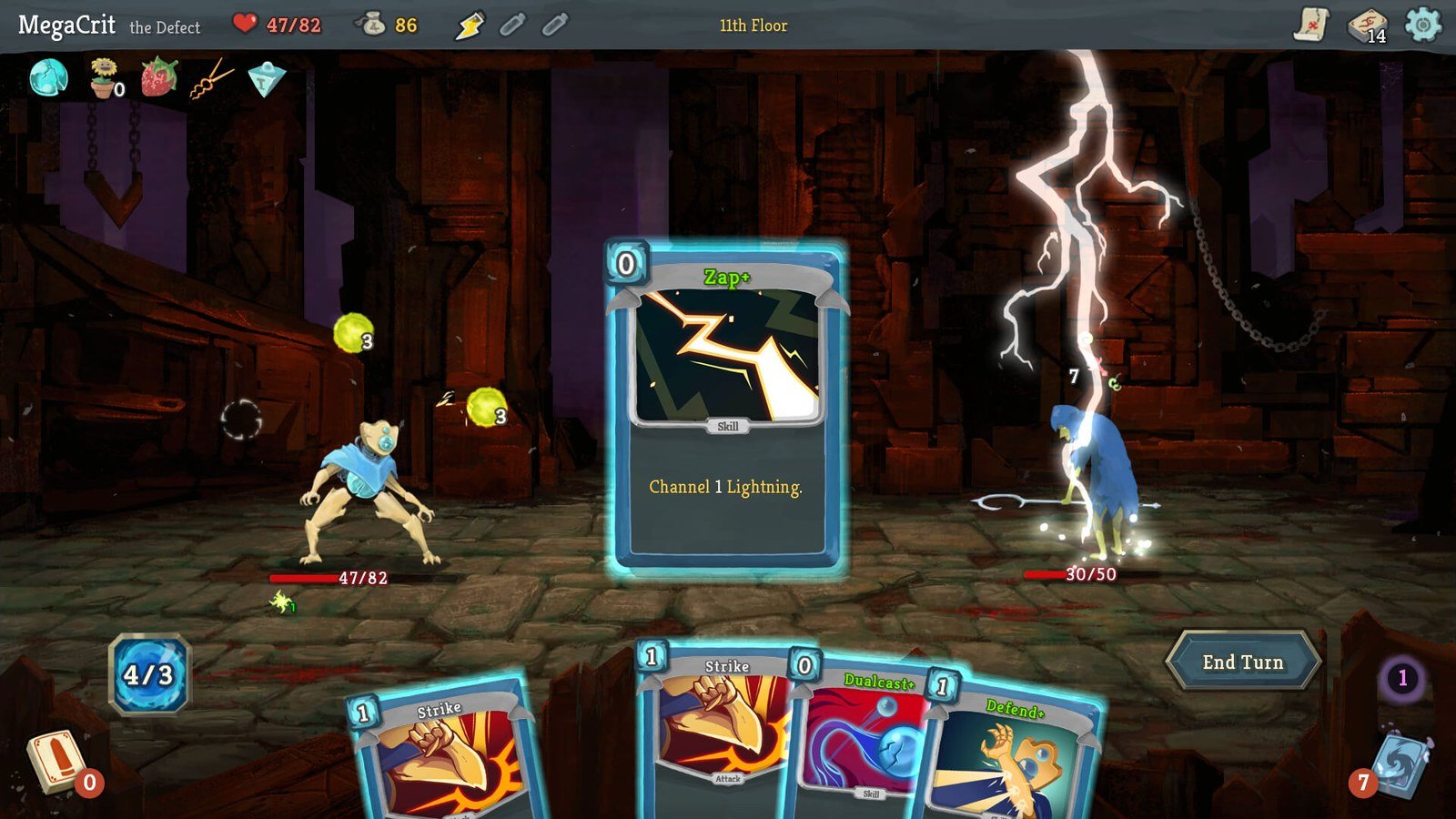
Before Slay the Spire, turn-based combat hid the enemy’s intentions and called the guessing strategy. Mega Crit put the enemy’s next move above its head, with the exact damage number attached, and turned every fight into an open-book exam. The twelfth entry in my indie analysis series is the game that fused the roguelike to…
-
Terraria: The Game That Was Finished in 2012 and Never Stopped
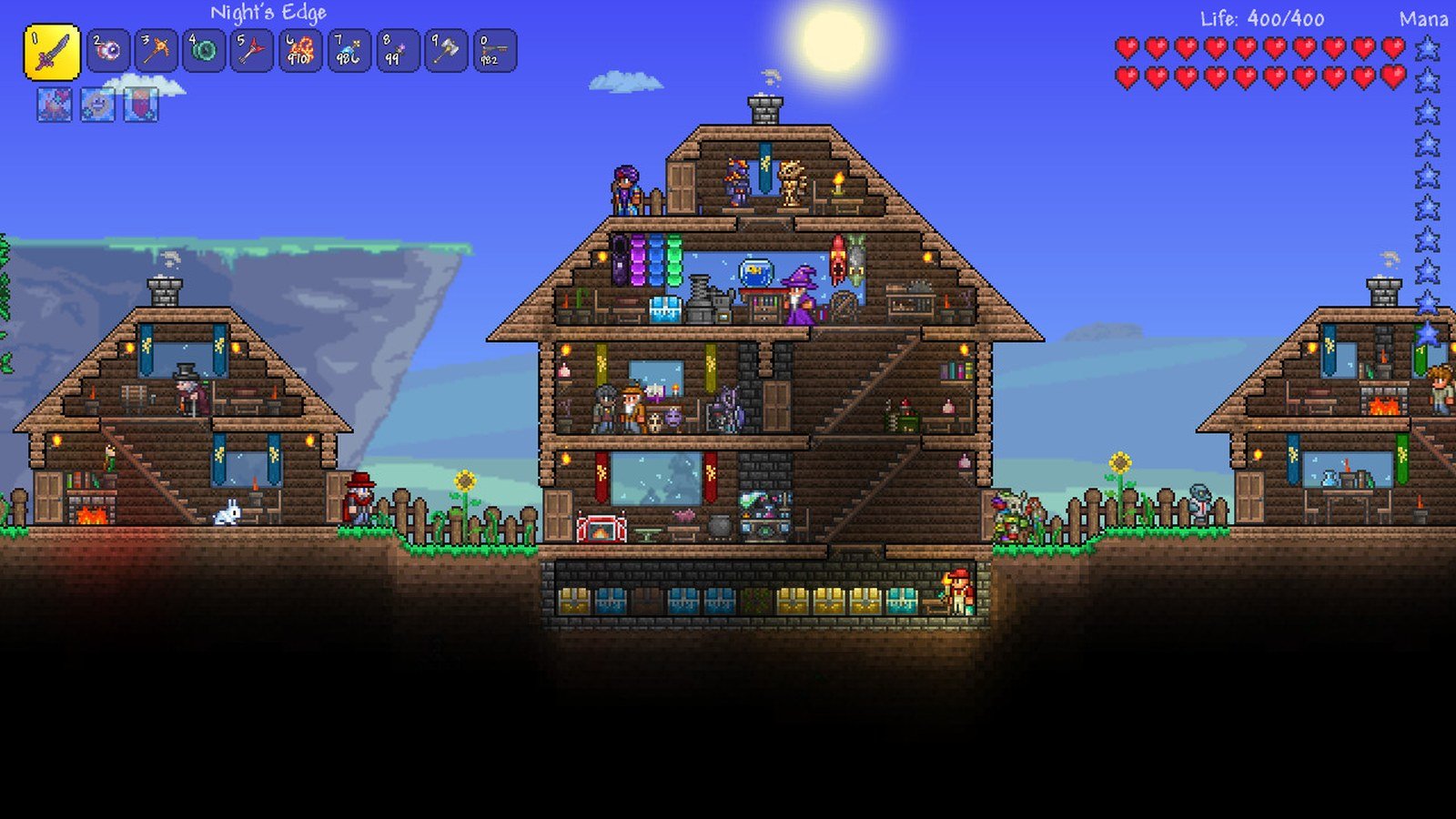
Terraria was supposed to be done in February 2012, when its creator announced he was stopping to focus on his family. Fourteen years later it has sold more than 70 million copies, sits among the best-selling games of all time, and is still being updated for free. The thirteenth entry in my indie analysis series…
-
Valheim: Five Swedes, Five Million Vikings in a Month

In February 2021, in the middle of a locked-down winter, a $20 Viking survival game from a five-person Swedish studio sold a million copies a week for five straight weeks. The fourteenth entry in my indie analysis series is Valheim, the early access phenomenon that treated survival less like punishment and more like a saga,…
-
The Binding of Isaac: Rebirth: The Flash Game That Outgrew Flash

The original Binding of Isaac was a side project built in Flash, the web plugin technology, by a developer who had just shipped Super Meat Boy and was explicitly not trying to make a hit. It became one anyway, then hit its own engine’s ceiling. The fifteenth entry in my indie analysis series is its…